-
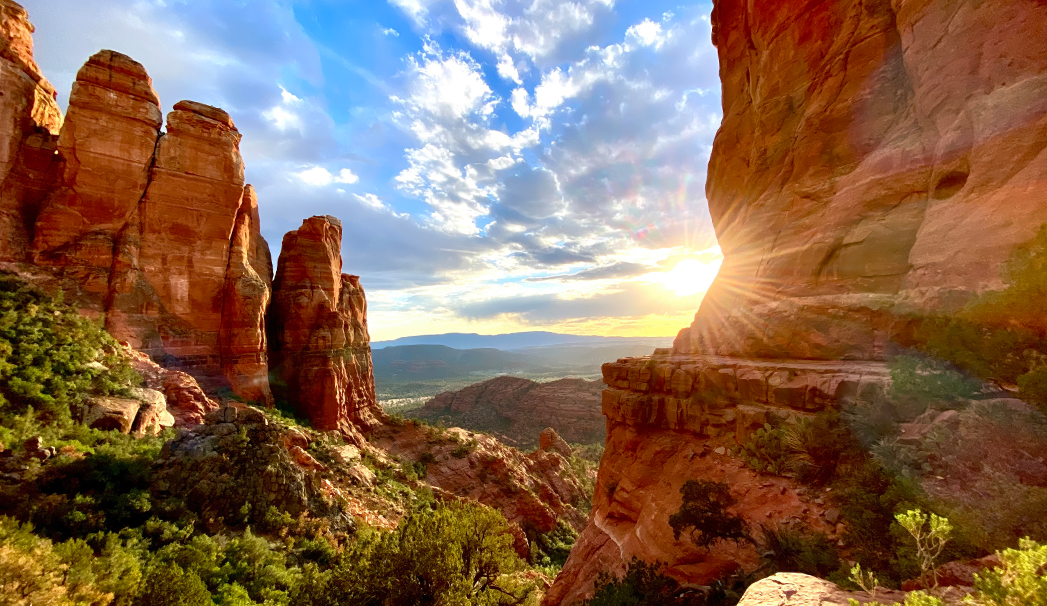
Best Things to Do in Sedona
Read More -

Power Couples
Read More -

Casual Dining in Sedona (2026 Guide)
Read More -
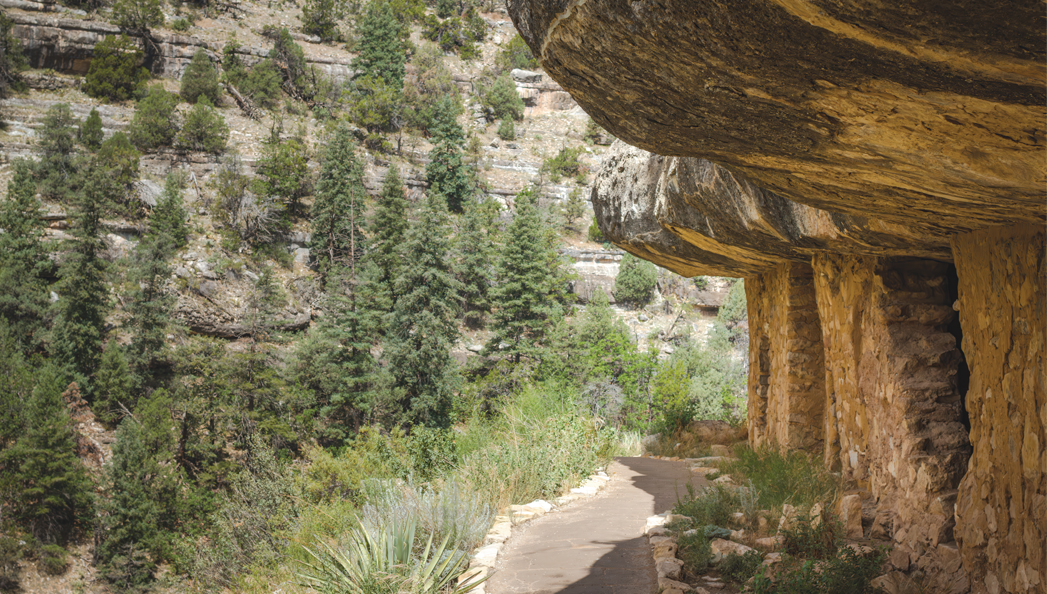
Walnut Canyon National Monument
Read More -
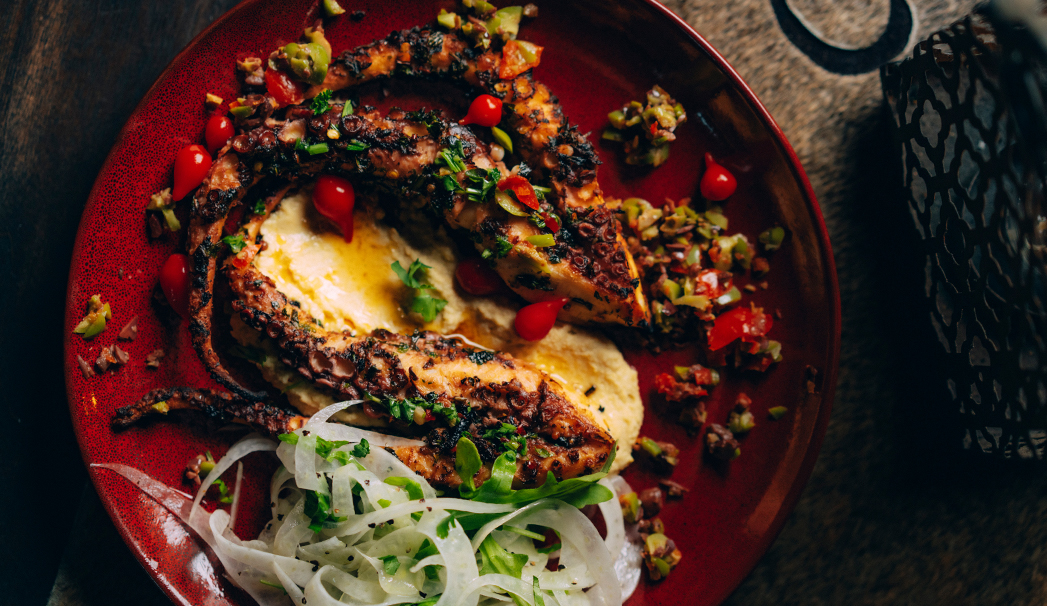
OUTDOOR DINING & RESTAURANTS WITH A VIEW IN SEDONA (2026 GUIDE)
Read More -
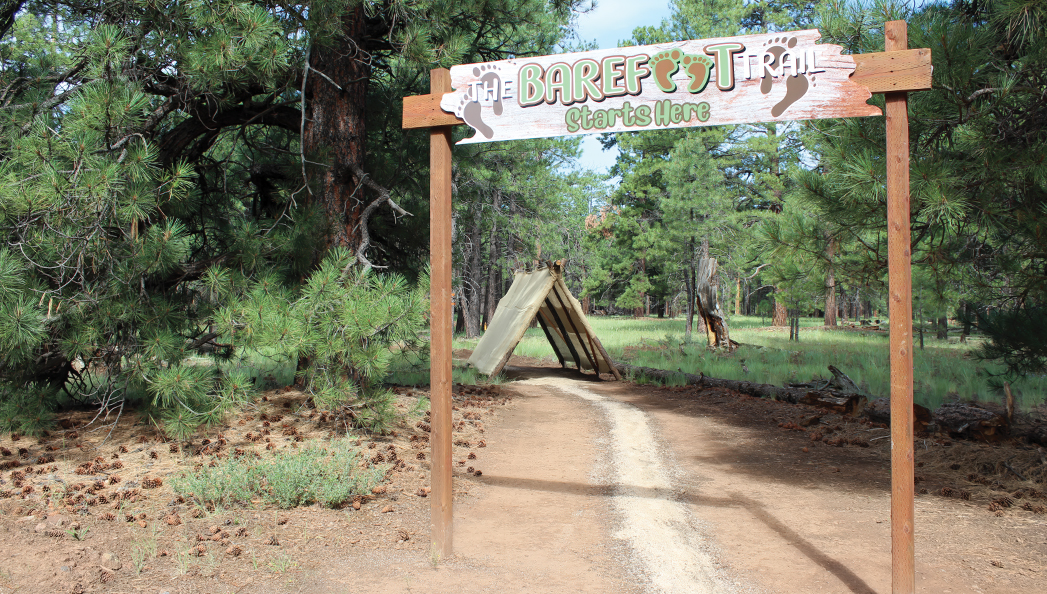
The Barefoot Trail in Flagstaff
Read More -
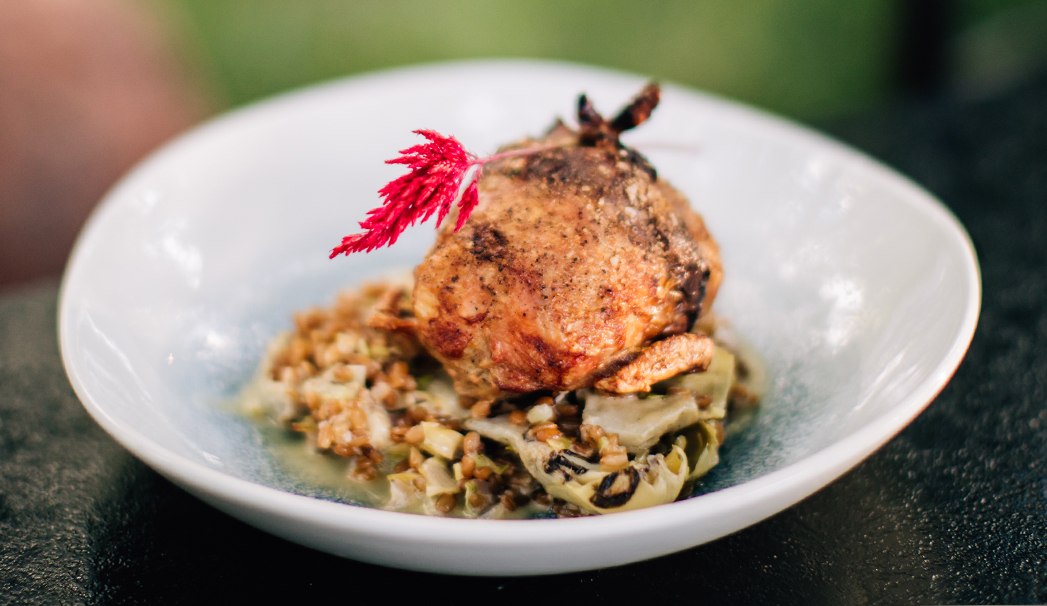
Fine Dining in Sedona (2026 Guide)
Read More -

TLC Window Cleaning
Read More -
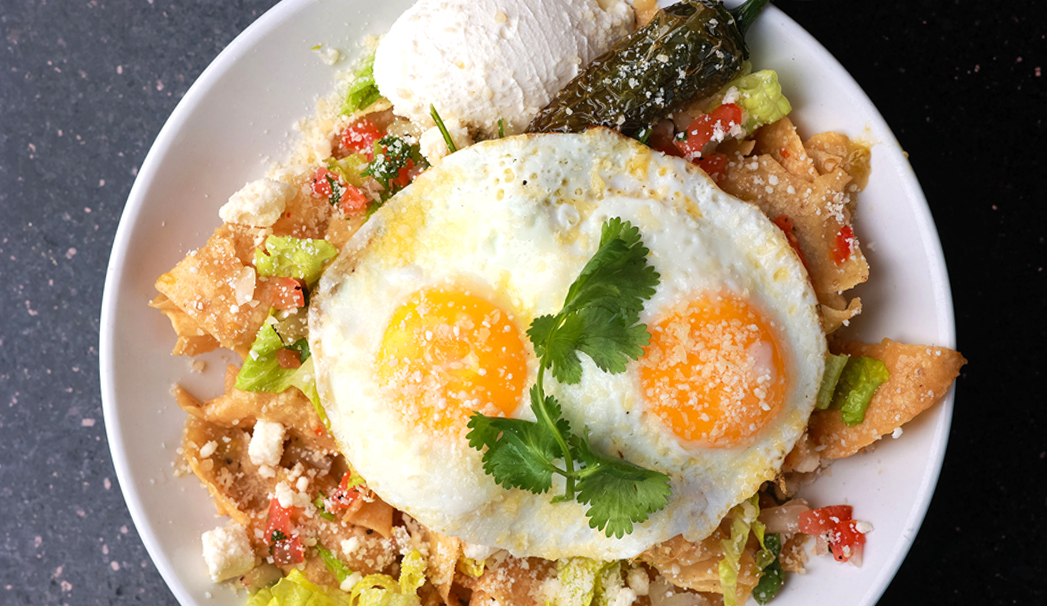
Best Breakfast & Brunch in Sedona (2026 Guide)
Read More -
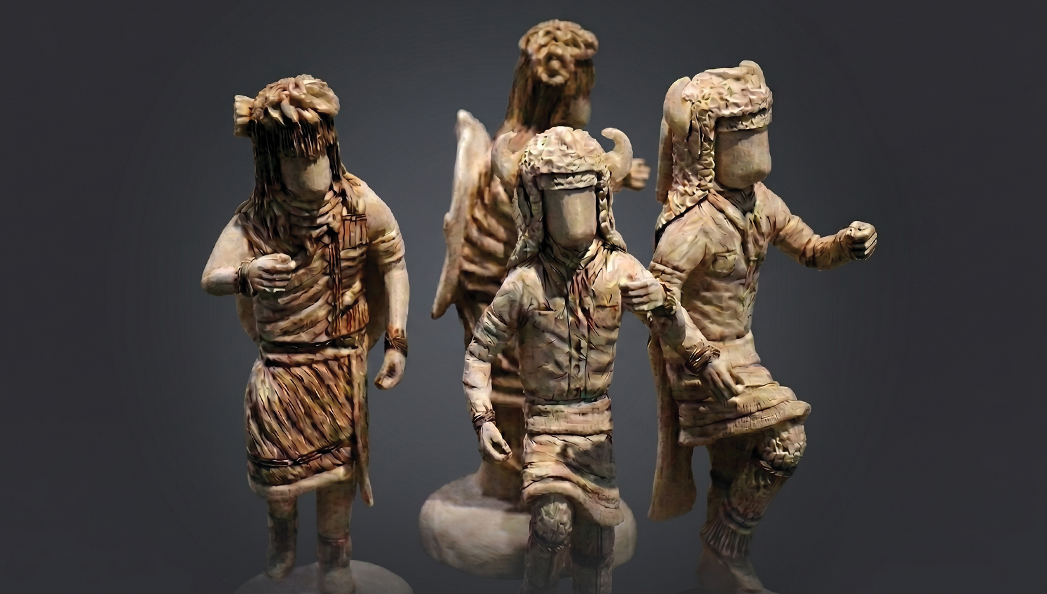
Arts Fest
Read More -
Climb On
Read More -
Vespa Healthy Italian Café
Read More -
Sedona’s Top Food Trucks
Read More -
Let’s Go: Exploring Savory Santa Fe
Read More -
Food & Beverage … Animal Style
Read More -
Romantic Restaurants in Sedona (2026 Guide)
Read More -

Community Leader Profile: Natalie Kurz
Read More -

Native Artifacts
Read More -
Best Coffee Shops & Bakeries in Sedona (2026 Guide)
Read More -
Dinner With A View
Read More -
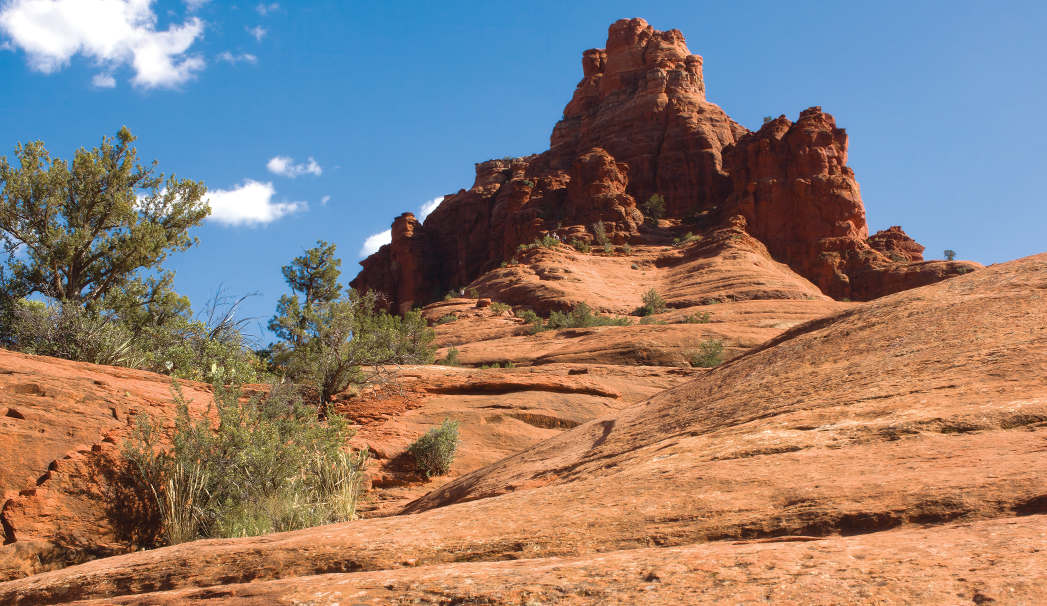
Rector Connector Trail
Read More -
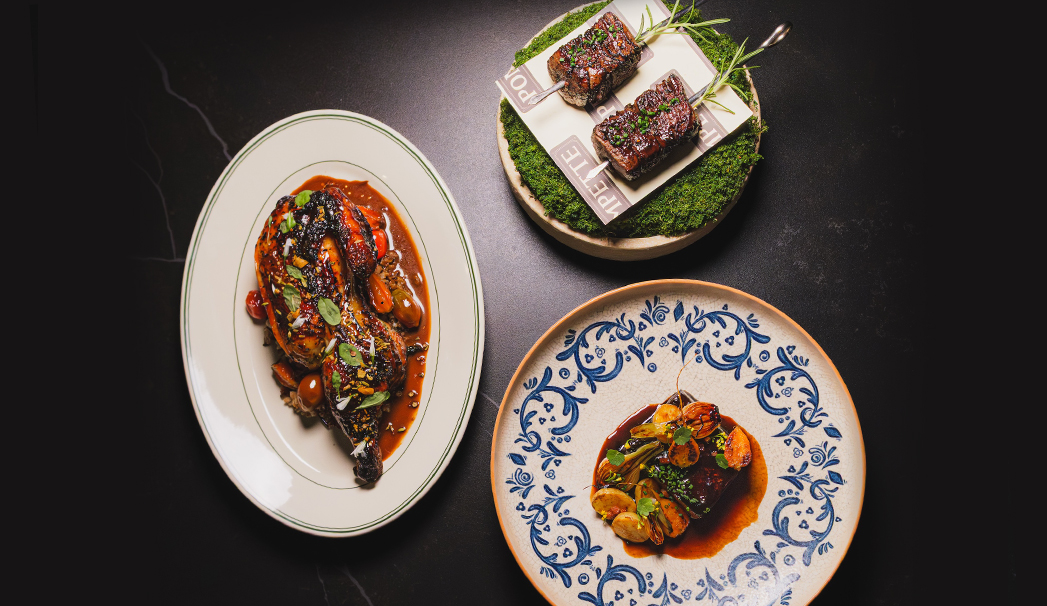
Northern Arizona Dining: What’s New in Town
Read More -
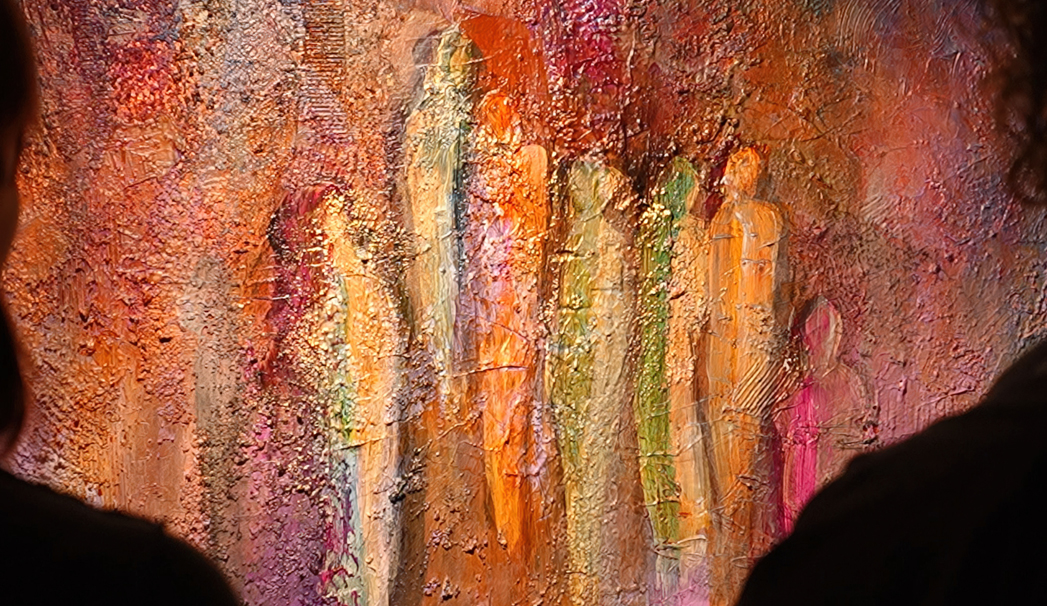
Art Notes
Read More -
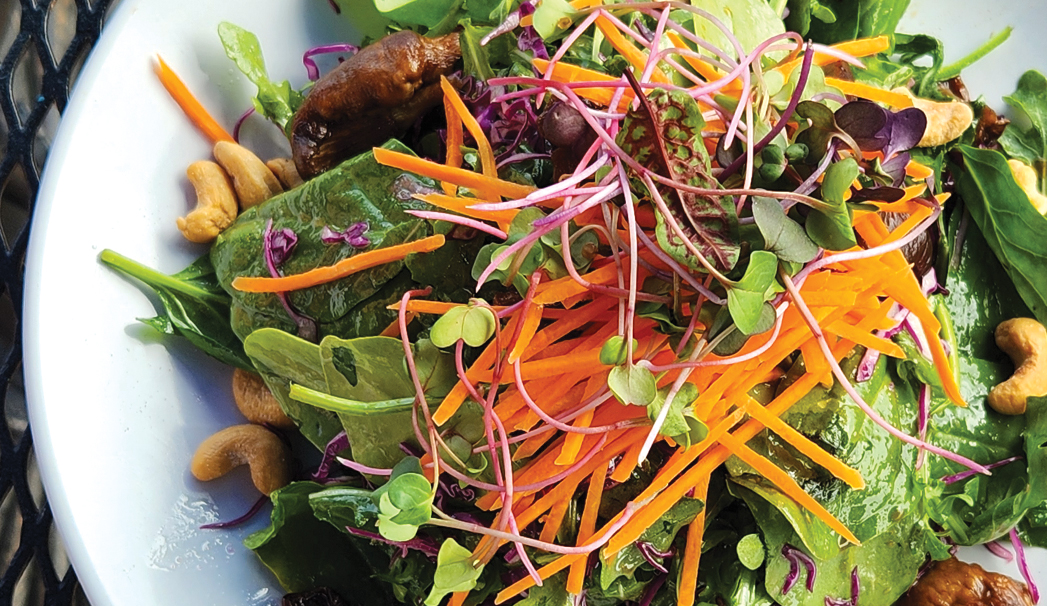
Drewbies
Read More -
Let’s Go: Finding “Sleepless” in Seattle
Read More -
Home
Read More -
Moonlight Hikes
Read More -
A Modern Makeover
Read More -

Family Festivities
Read More -

Paint With Lovejoy at Amara Resort and Spa
Read More -
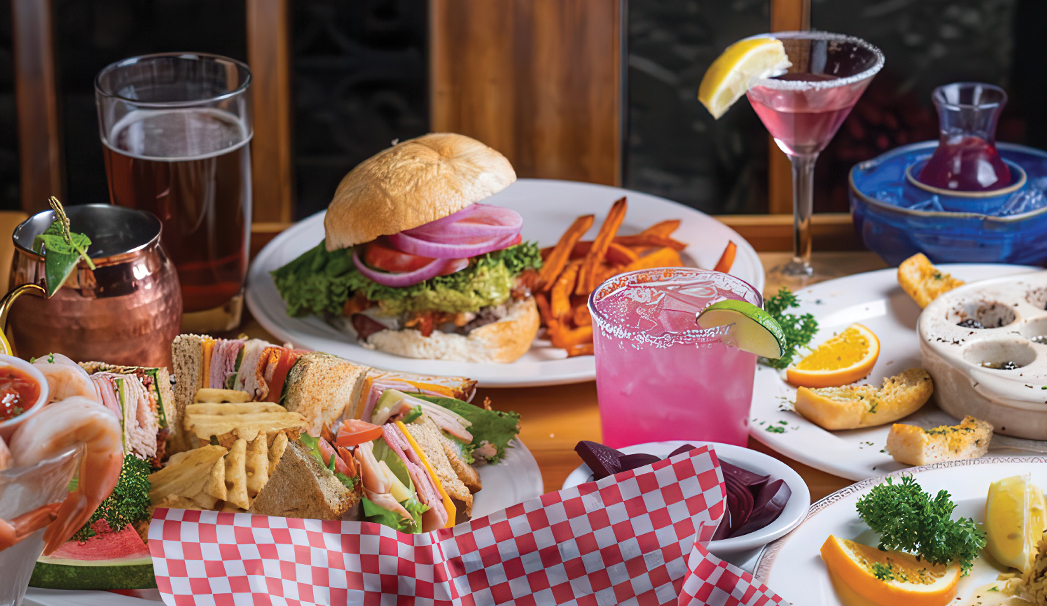
Judi’s Restaurant & Lounge
Read More -
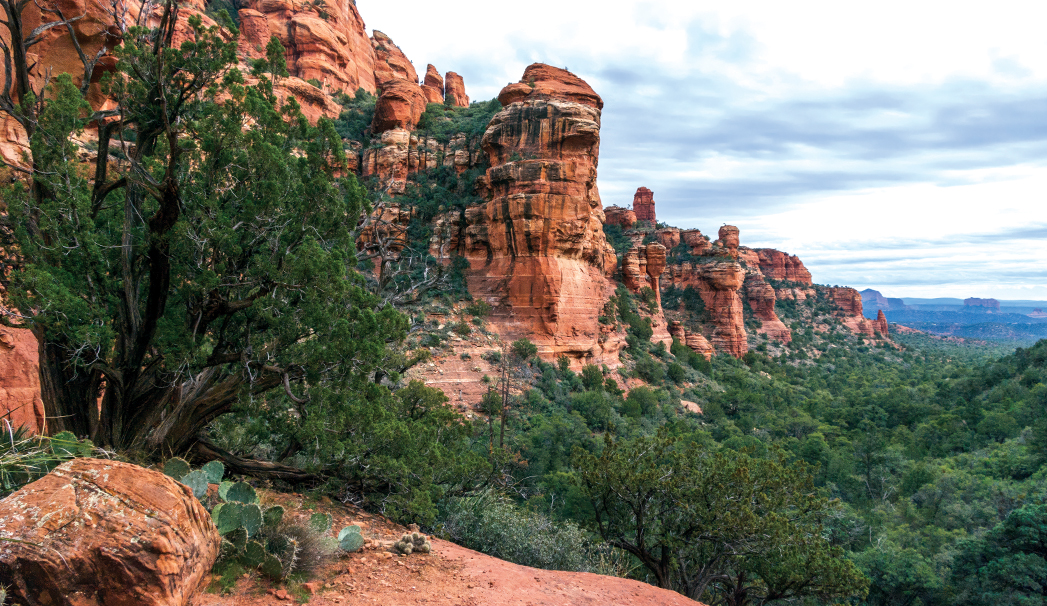
Fay Canyon
Read More -
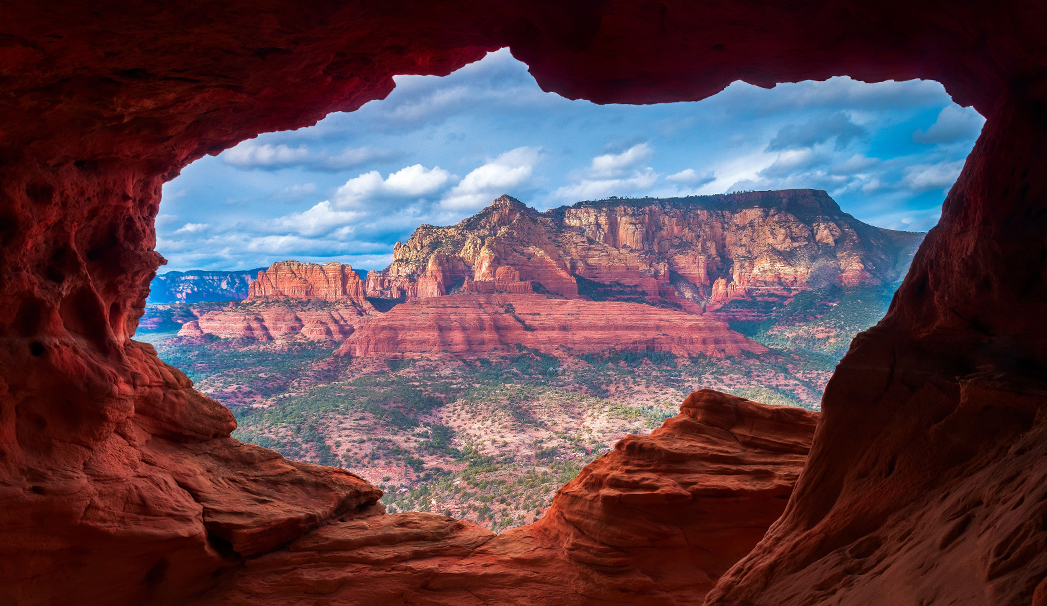
Hidden Gems in Sedona
Read More -
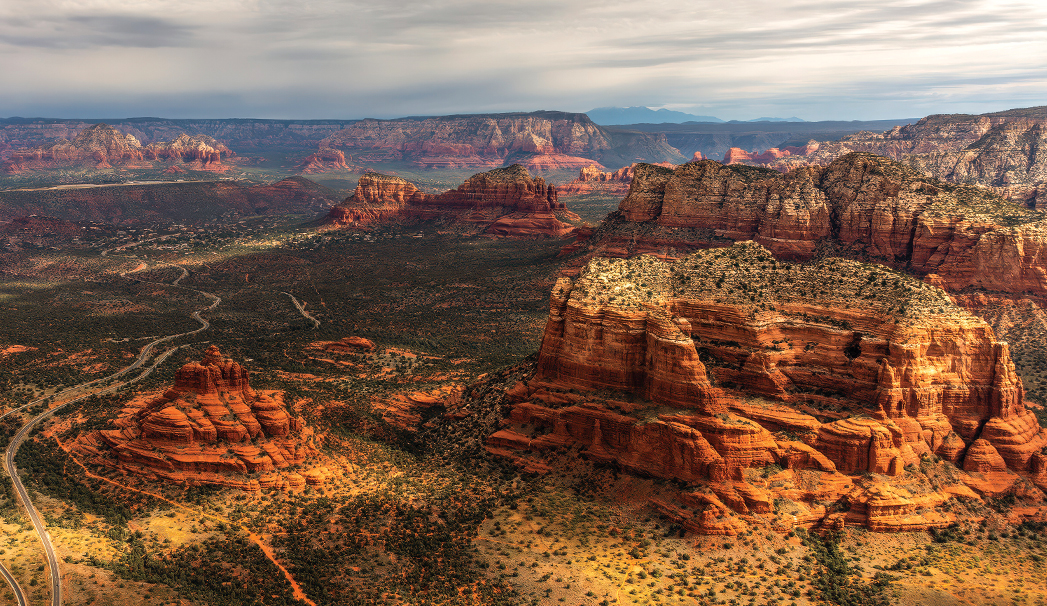
On A May Morning
Read More -
Pisa Lisa
Read More -

Best Sedona Photography Spots
Read More -
Sweet Summertime: Your Northern Arizona Summer Guide
Read More -

Outstanding Women Leaders
Read More -
Vespa Healthy Italian Café
Read More -
Coming Home: An Entertainer’s Dream Come True
Read More -
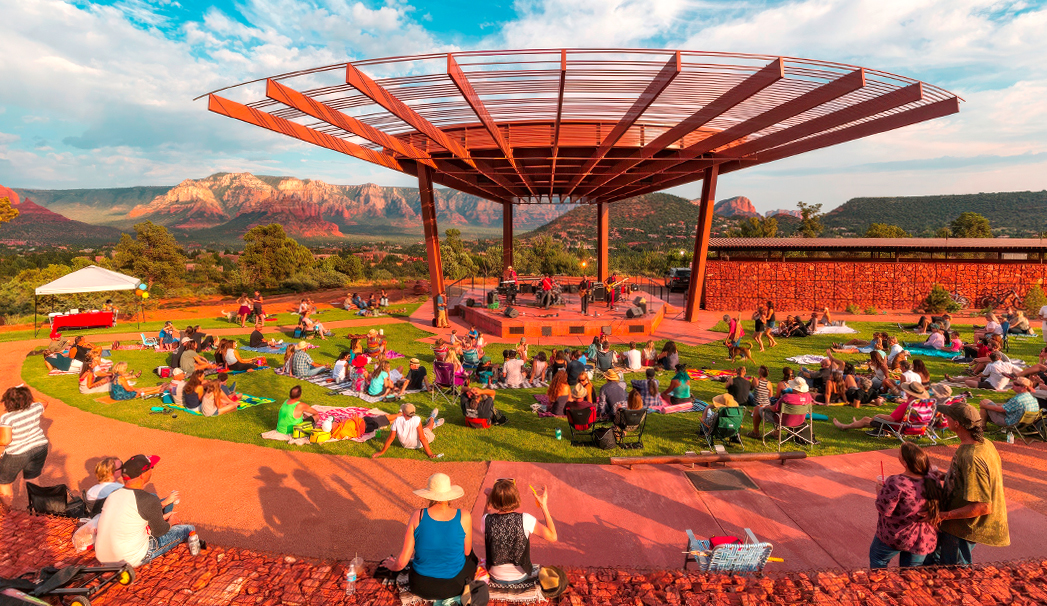
Timeless Tunes
Read More -
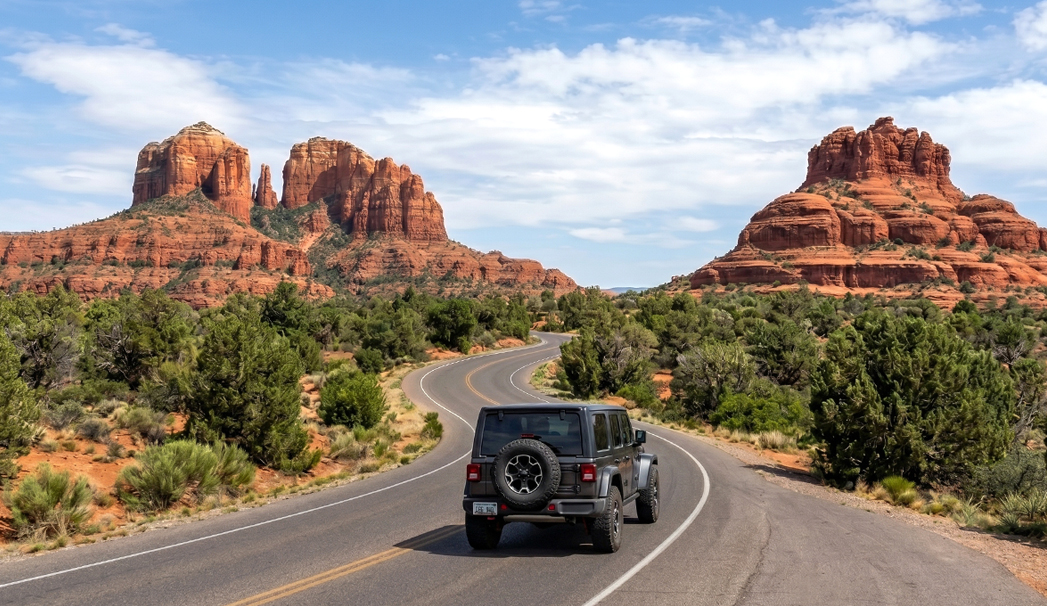
Sedona Scenic Drives
Read More -
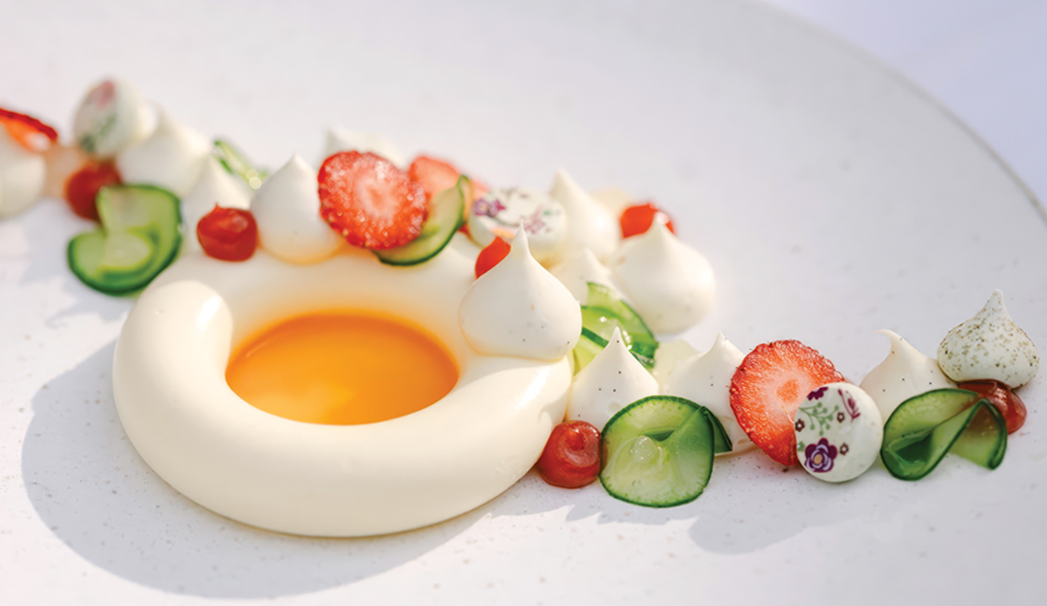
BEST RESTAURANTS IN SEDONA (2026 GUIDE)
Read More -
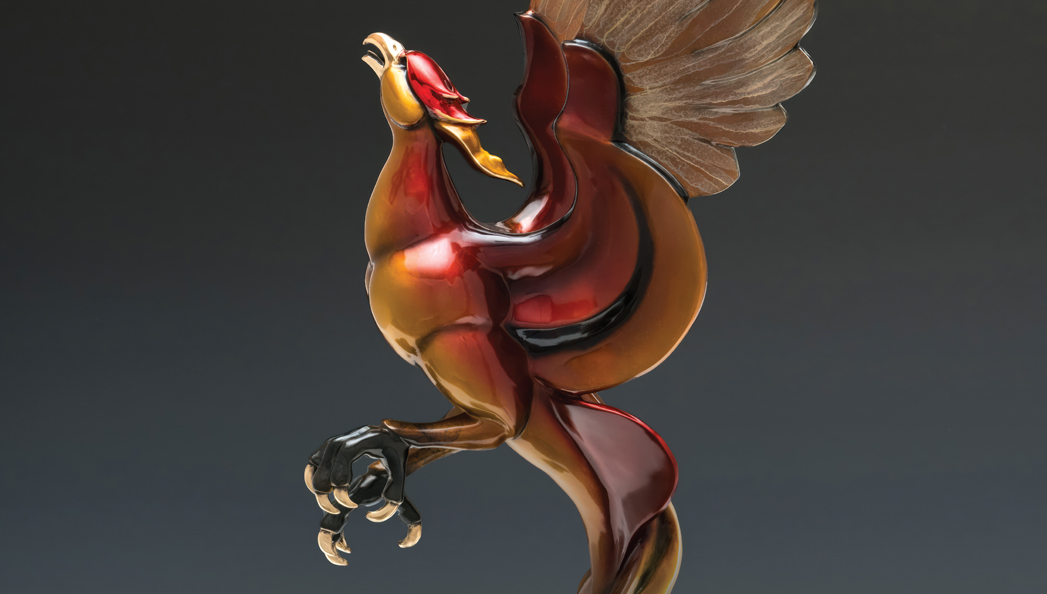
Awesome Art Galleries
Read More -
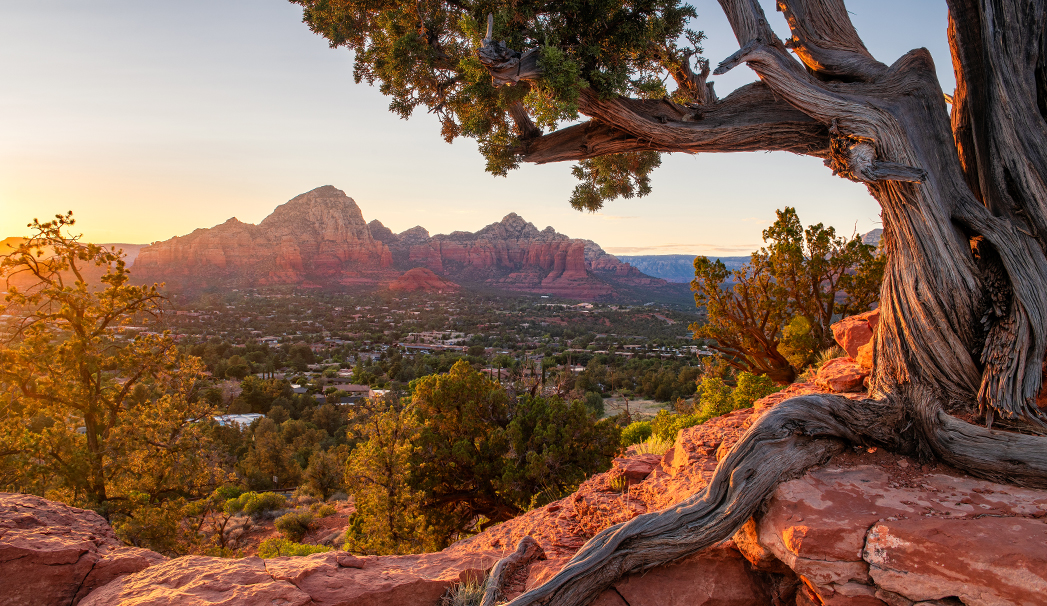
Best Sunset Hikes and Views in Sedona
Read More -
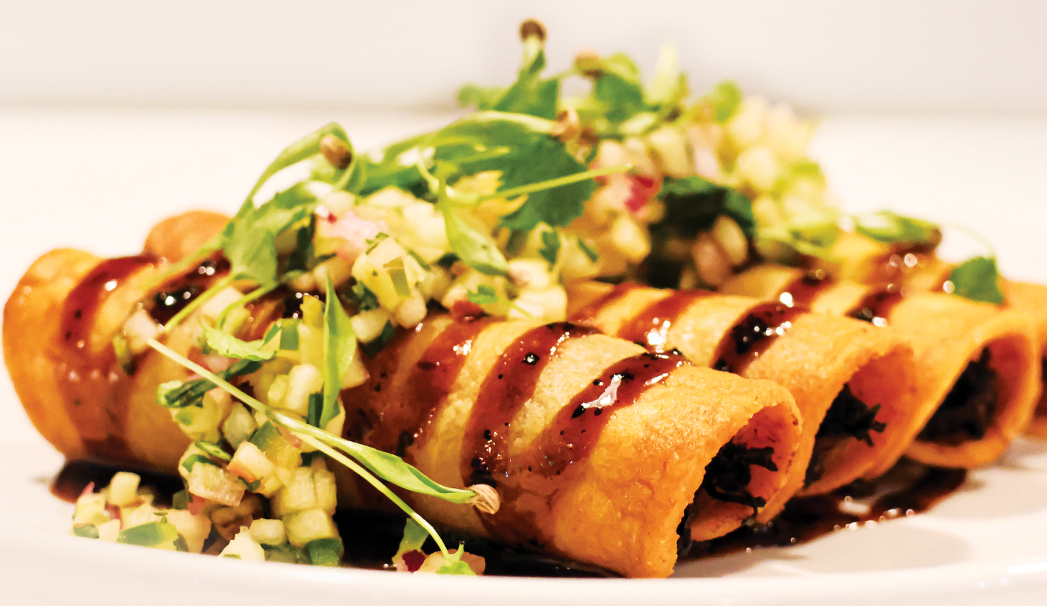
Shift Kitchen & Bar
Read More -
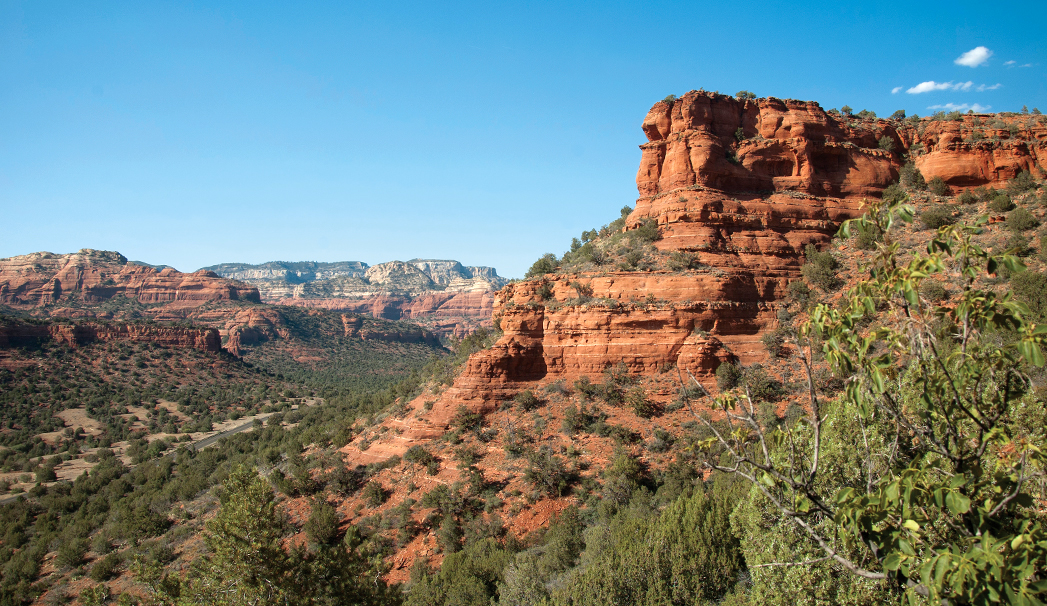
Best Sunrise Hikes in Sedona
Read More -
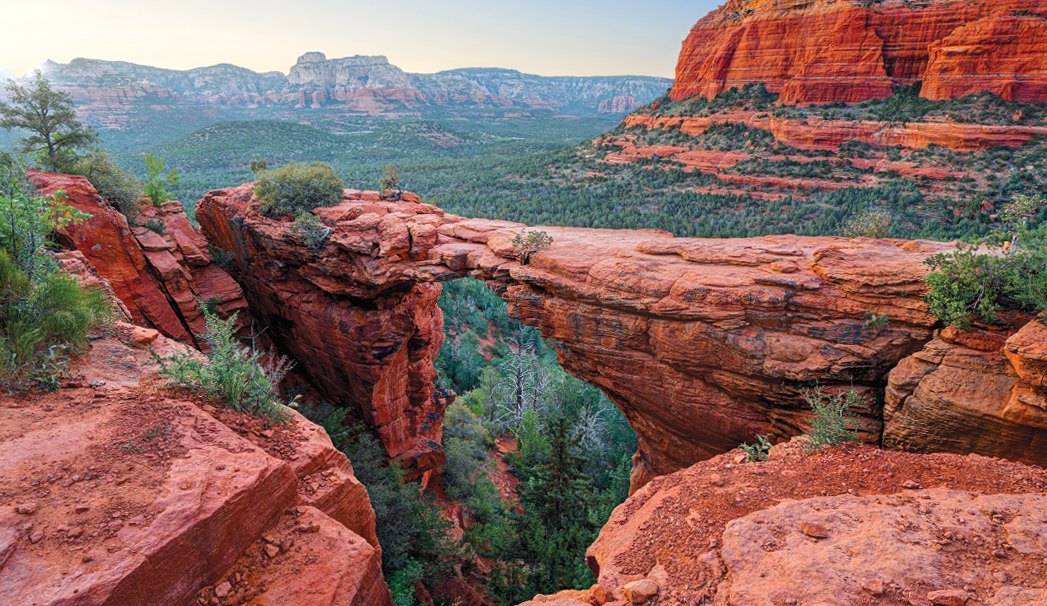
Devil’s Bridge
Read More -
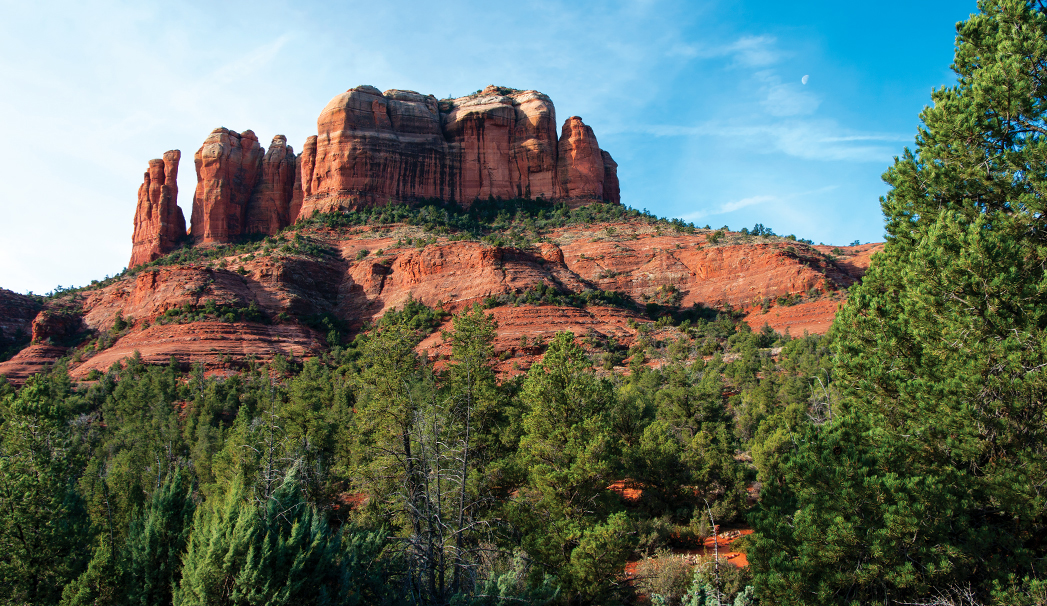
Best Sedona Hikes: Trails for Every Skill Level
Read More -
Let’s Go: Centennial Celebration
Read More -
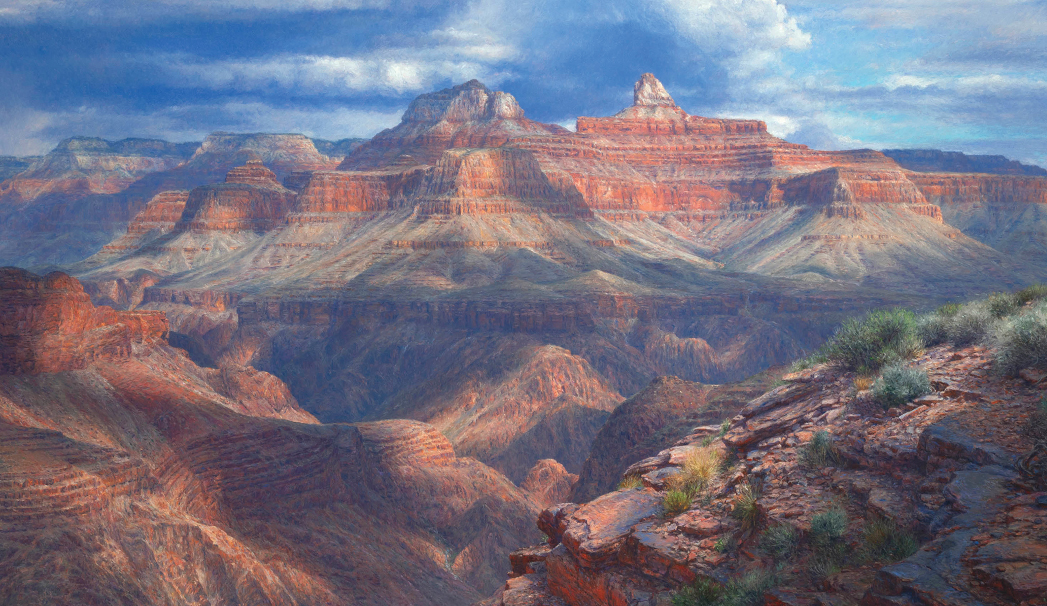
“Resilience: The Life & Grand Canyon Art Of Curt Walters”
Read More -
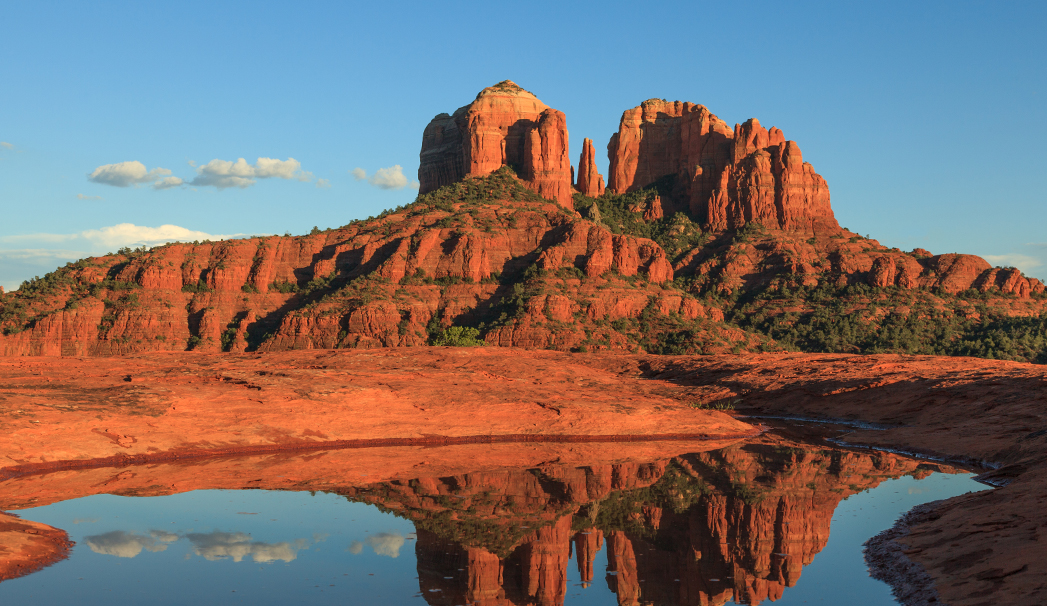
Best Time to Visit Sedona: A Month-by-Month Guide (2026)
Read More -
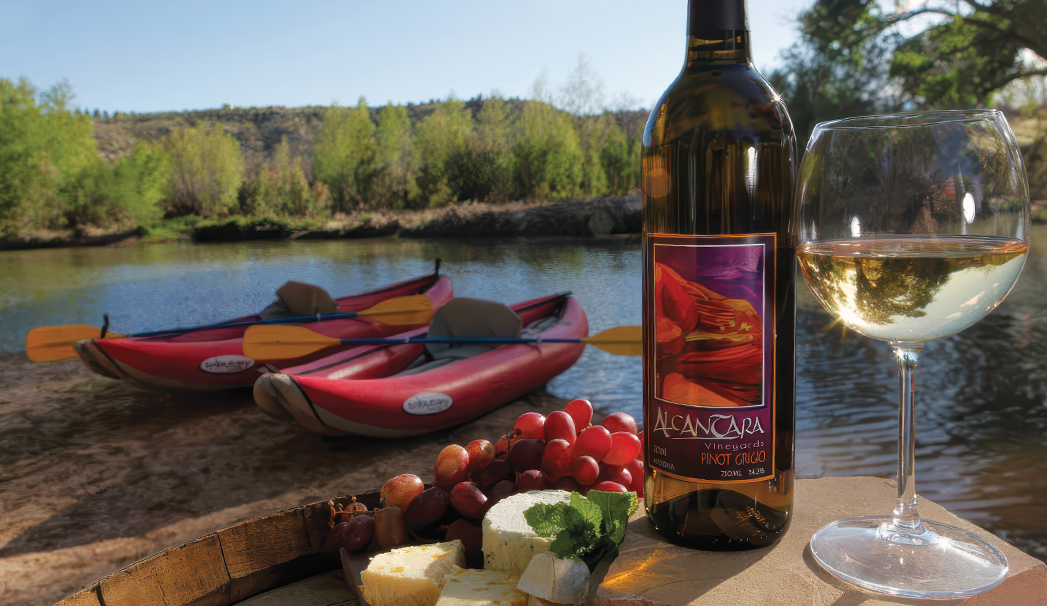
Water To Wine Kayak Trip
Read More -
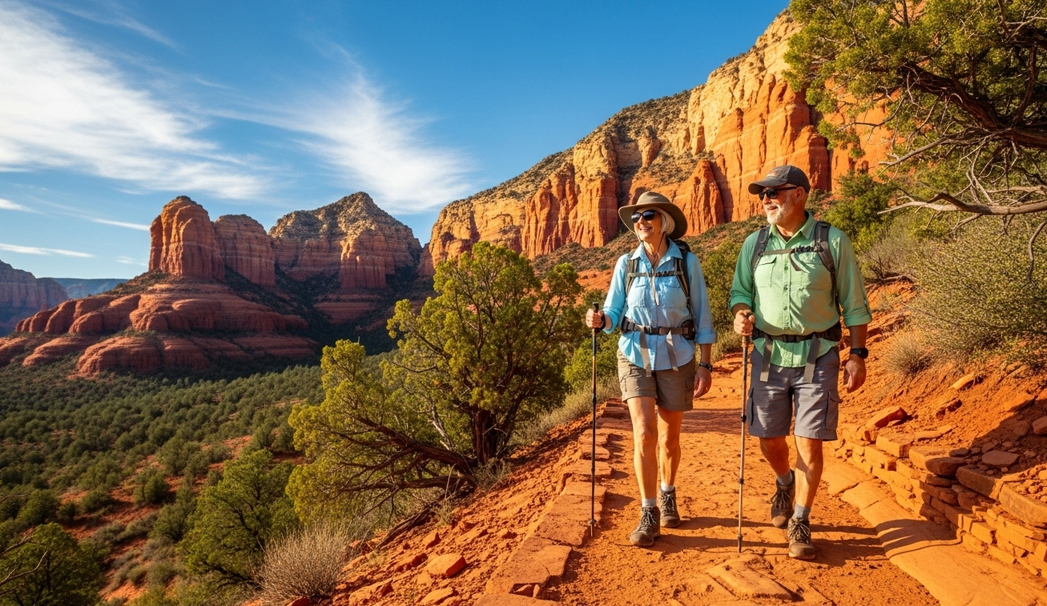
Perfect 3-Day Sedona Itinerary for First-Time Visitors (2026 Guide)
Read More -
Around The Neighborhood
Read More -
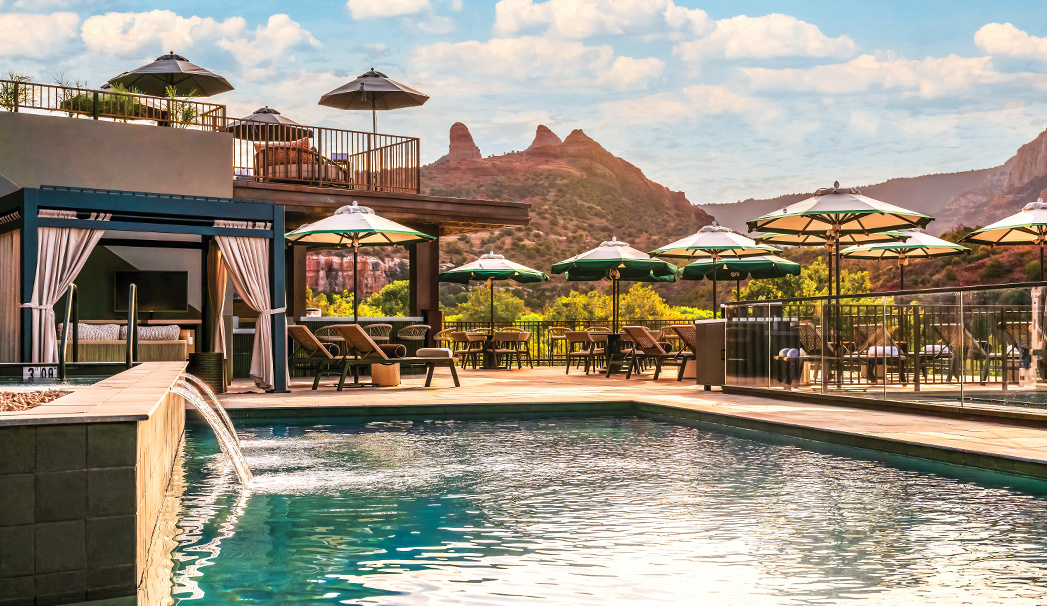
Where to Stay in Sedona: Best Areas & Hotels (2026 Guide)
Read More -

Best Luxury Spas in Sedona (2026 Guide)
Read More -
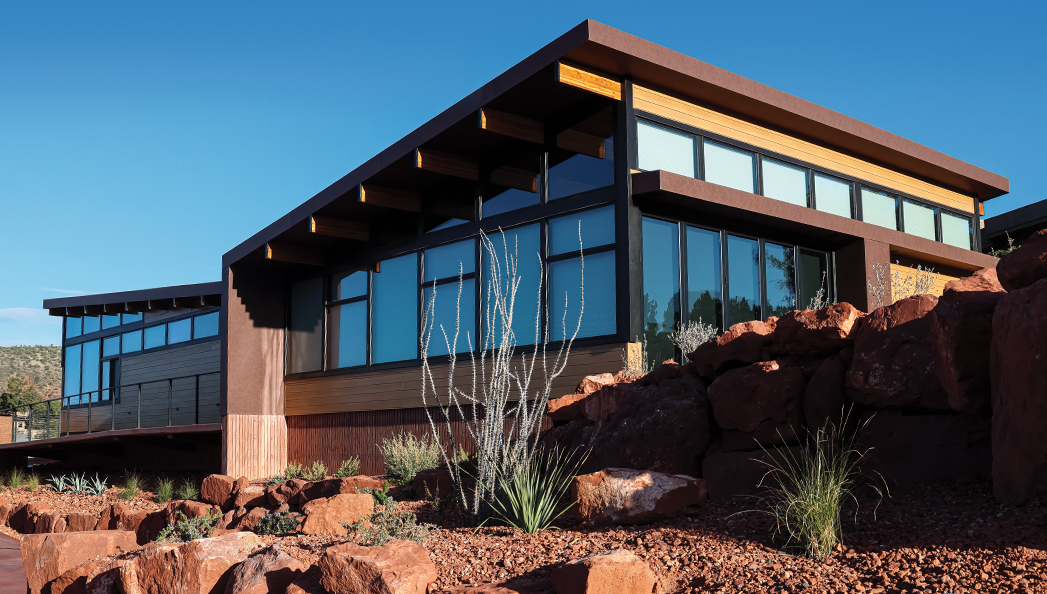
A Modern Marvel
Read More -
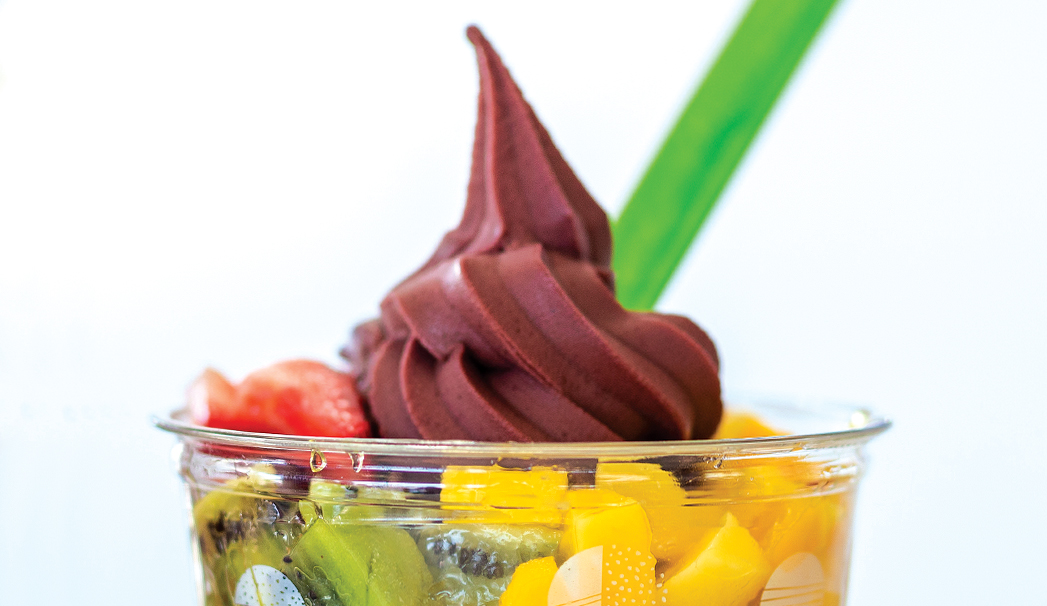
Berry Divine Acai Bowls
Read More -
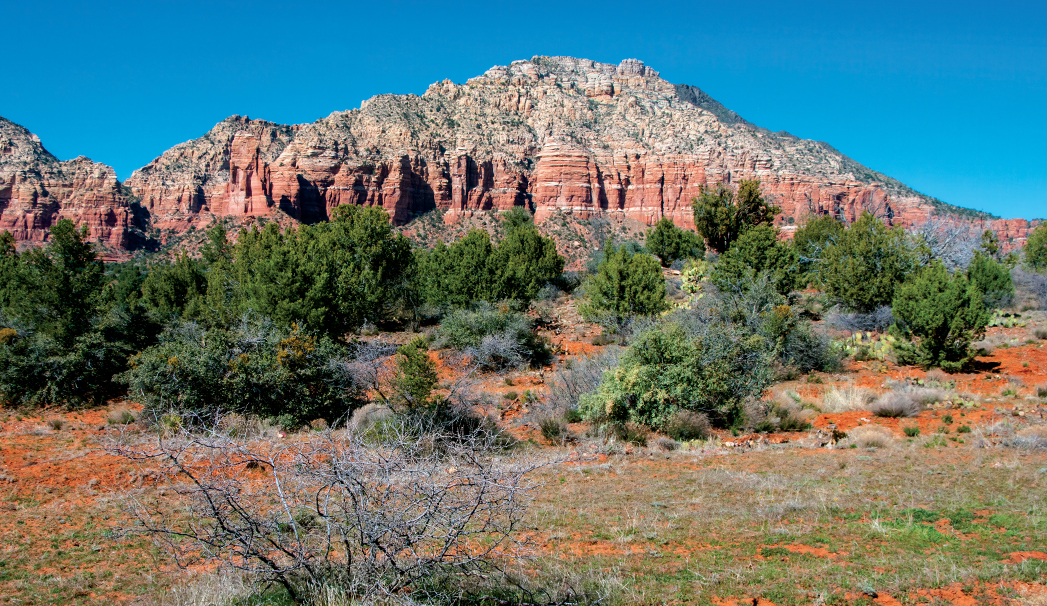
Jack’s Canyon
Read More -
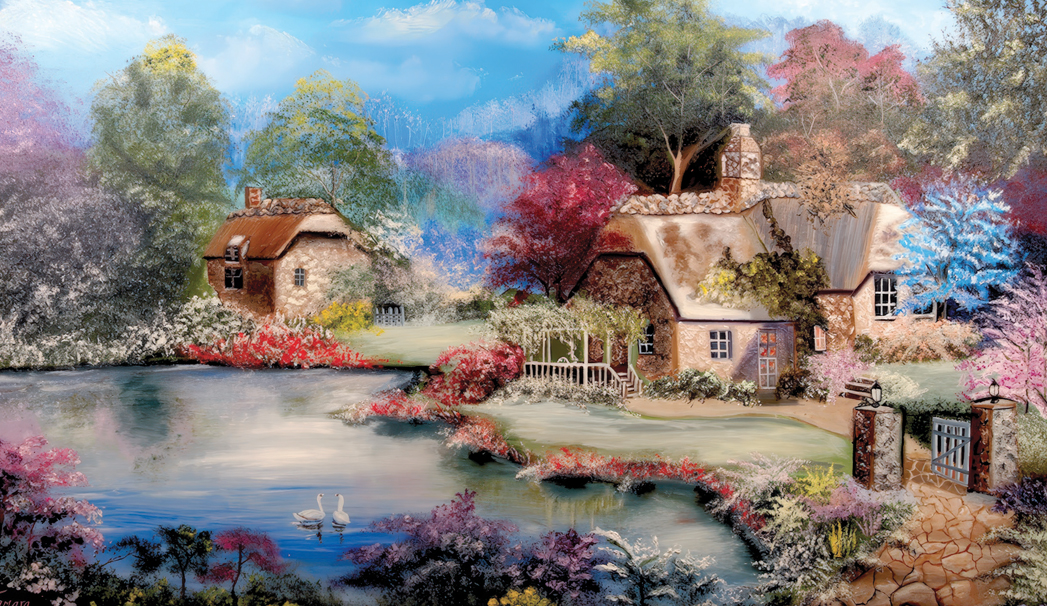
Bob Ross Oil Classes
Read More -
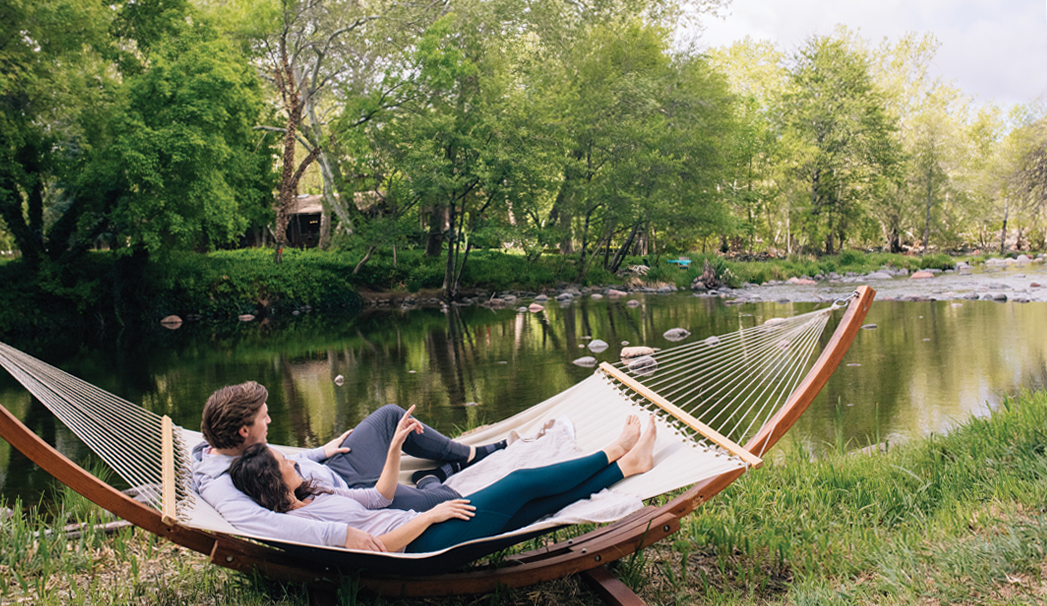
Romance In Sedona
Read More -
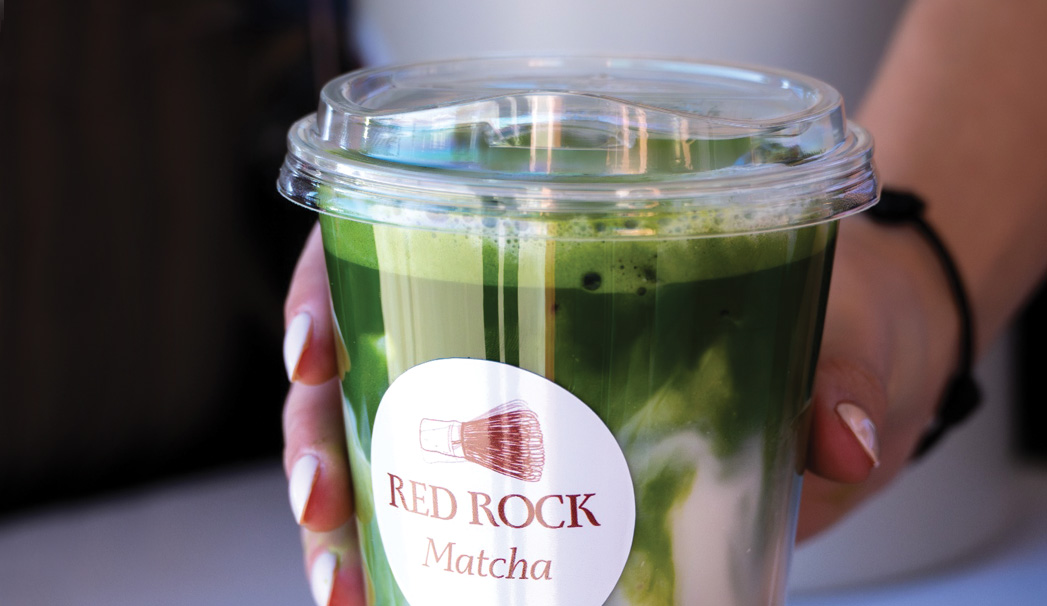
Food Trends
Read More -
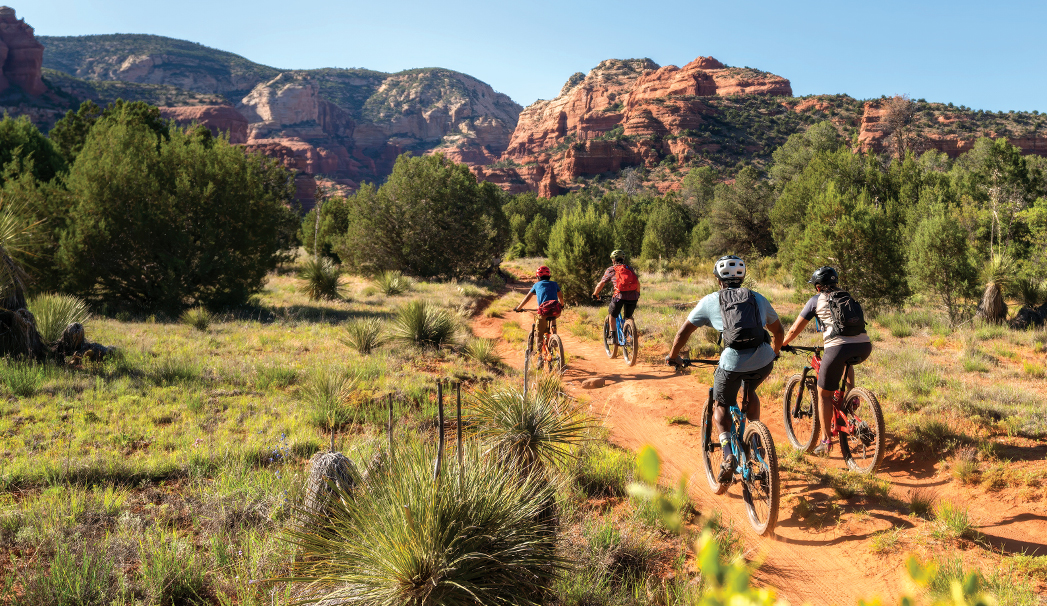
Sensible Self-Care
Read More -
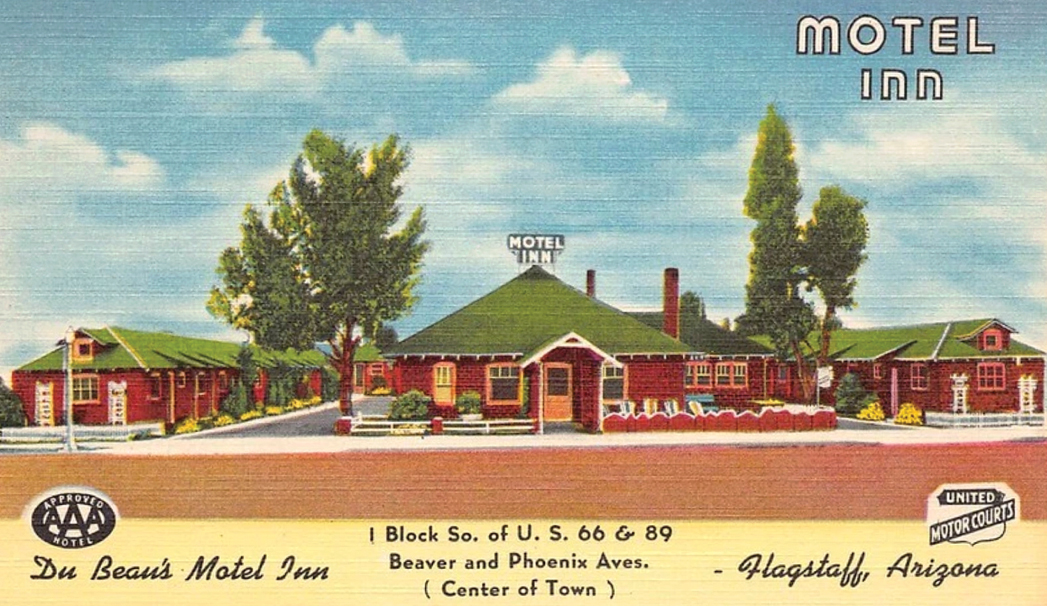
Get Your Kicks
Read More -
The 72-Hour Secret Of Pinsa Romana
Read More -
License to Wine
Read More -
Once Again Remembering The Seasons
Read More -
Let’s Go: Tucson’s Southern Hospitality
Read More -
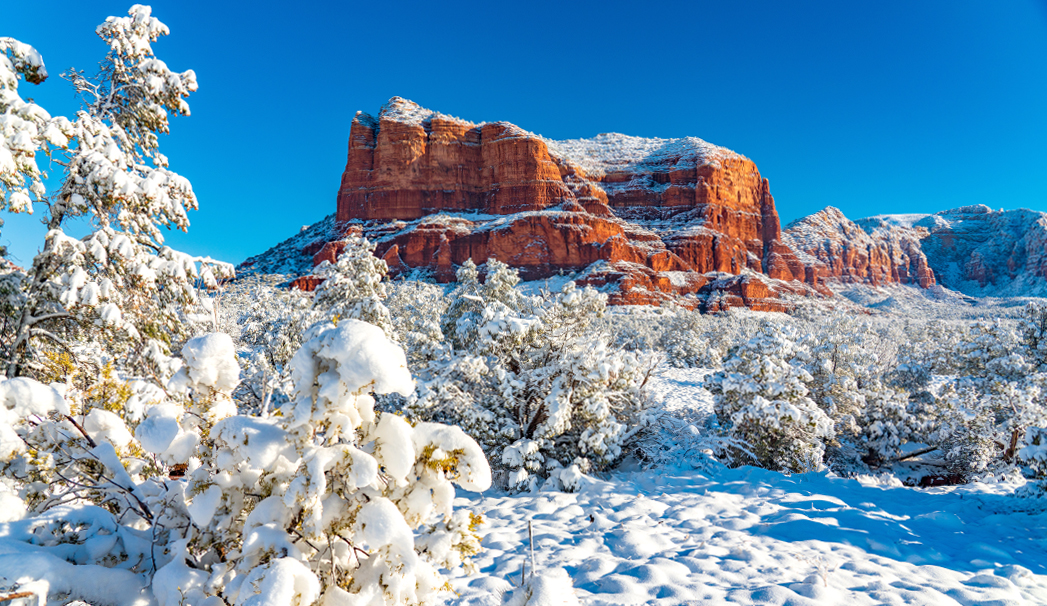
Winter Wonder: Seven Reasons To Love Winter In Northern Arizona
Read More -
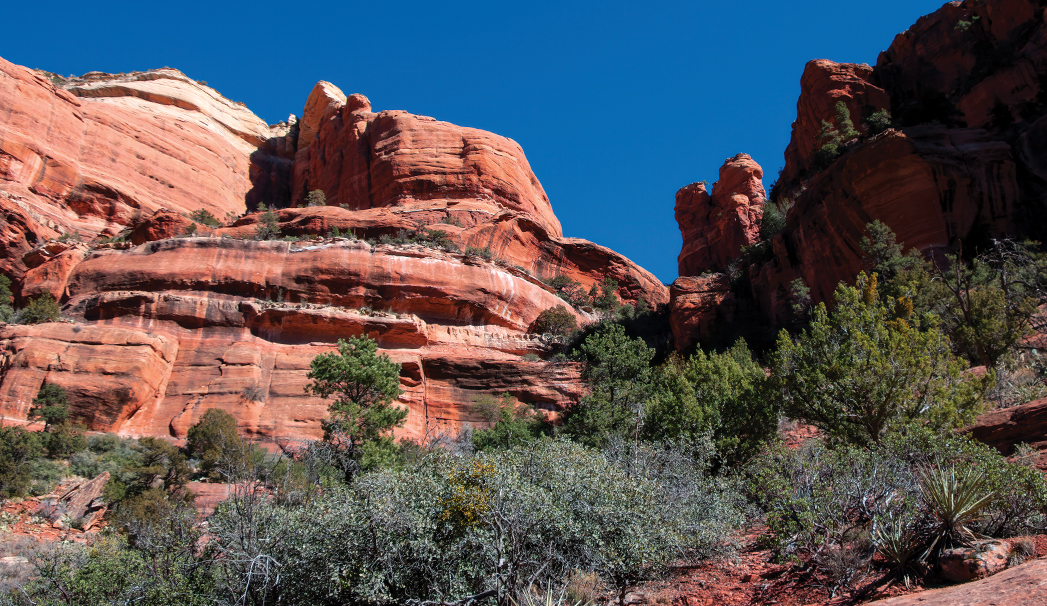
Boynton Canyon Trail
Read More -
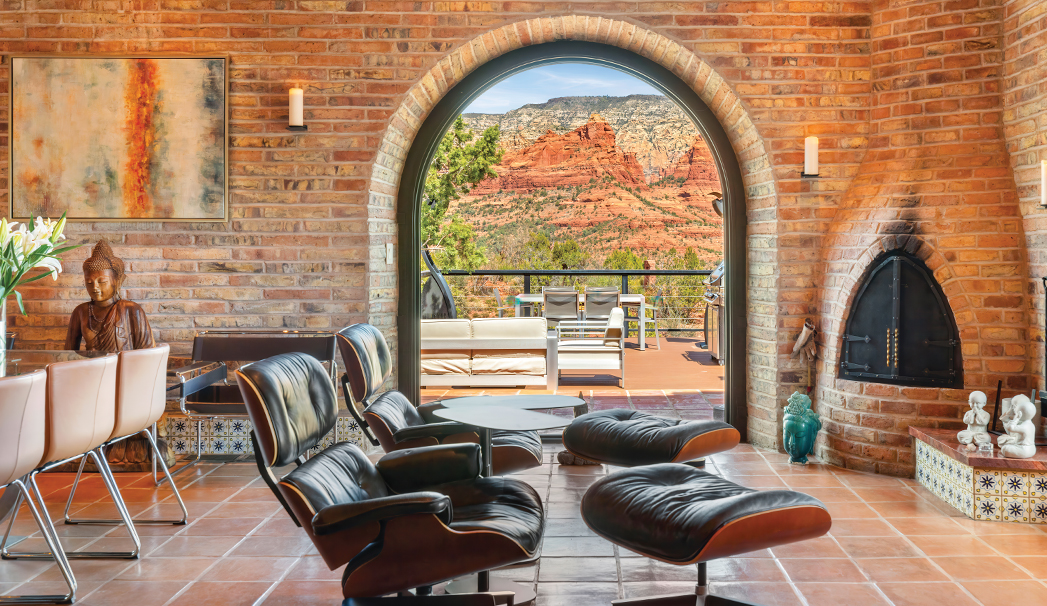
Coming Home: Modern History
Read More -
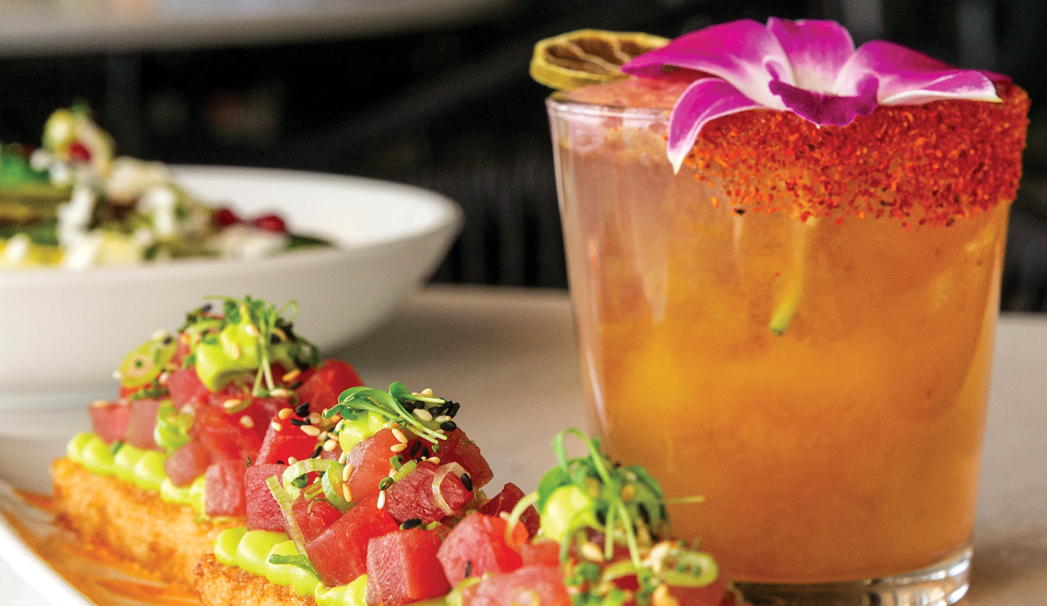
Broome & Orchard
Read More -
2025 Hot List
Read More -
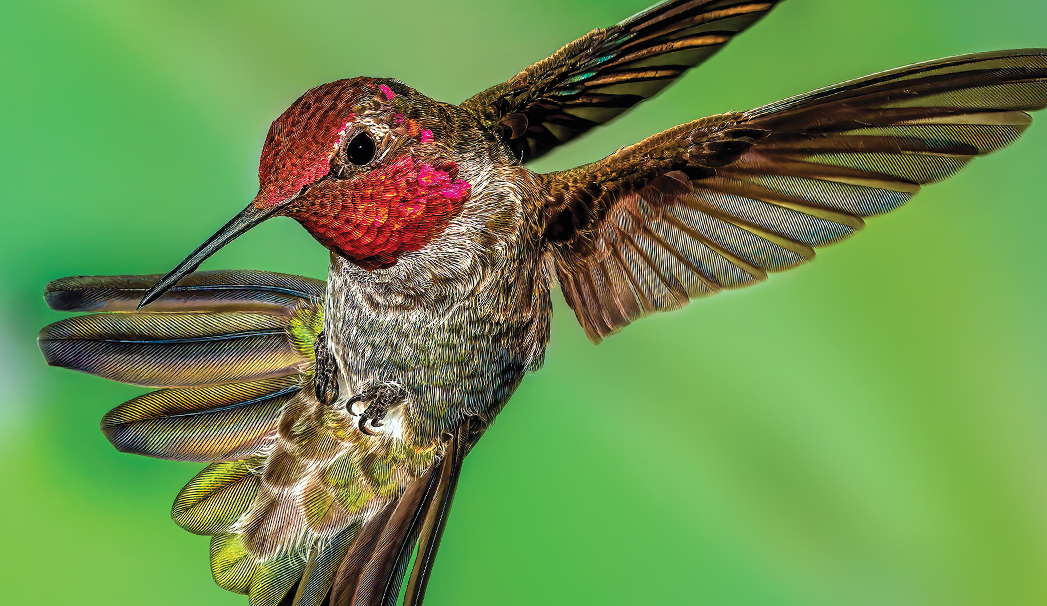
Photography of Birds in Arizona by Ted Grussing
Read More -
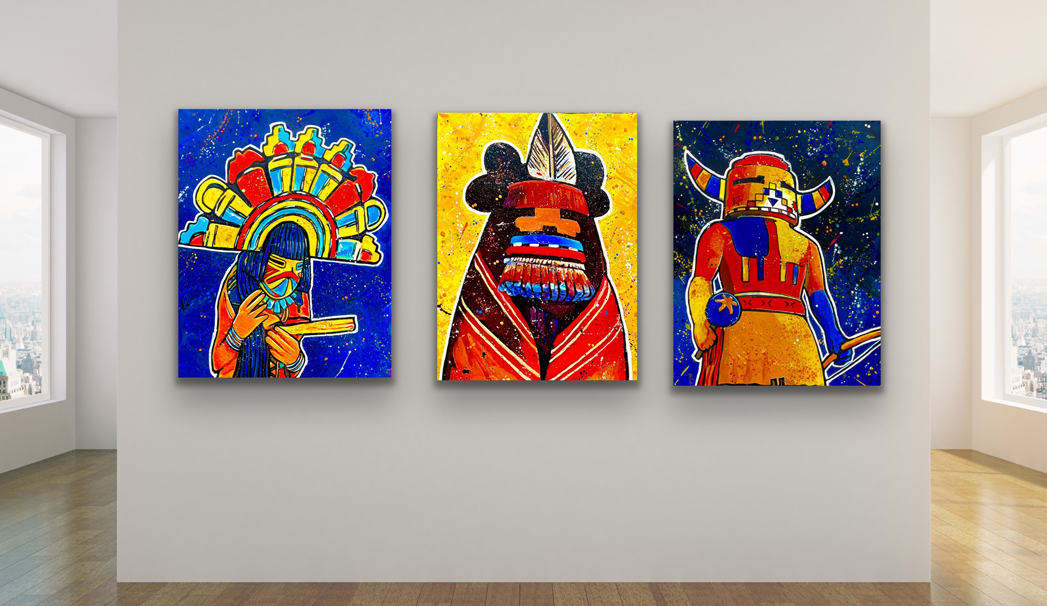
Special Exhibit
Read More -

“Nostalgia – Reflections On Argentina” By Christel Veraart
Read More -
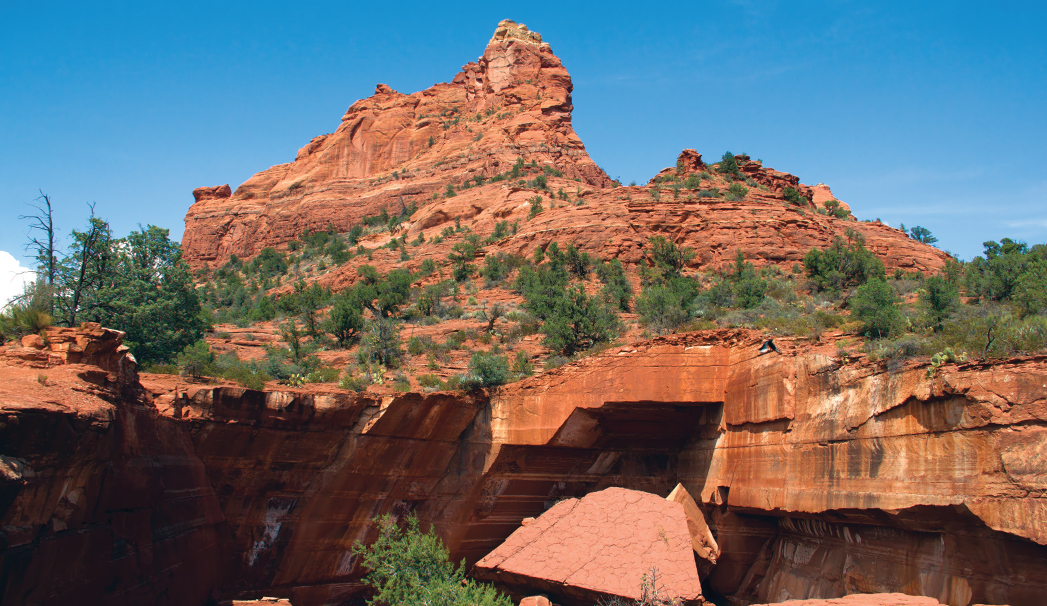
Soldier Pass Arches
Read More -
Cress on Oak Creek
Read More -

Iconic Arizona
Read More -

Wildlife Movers & Shakers
Read More -
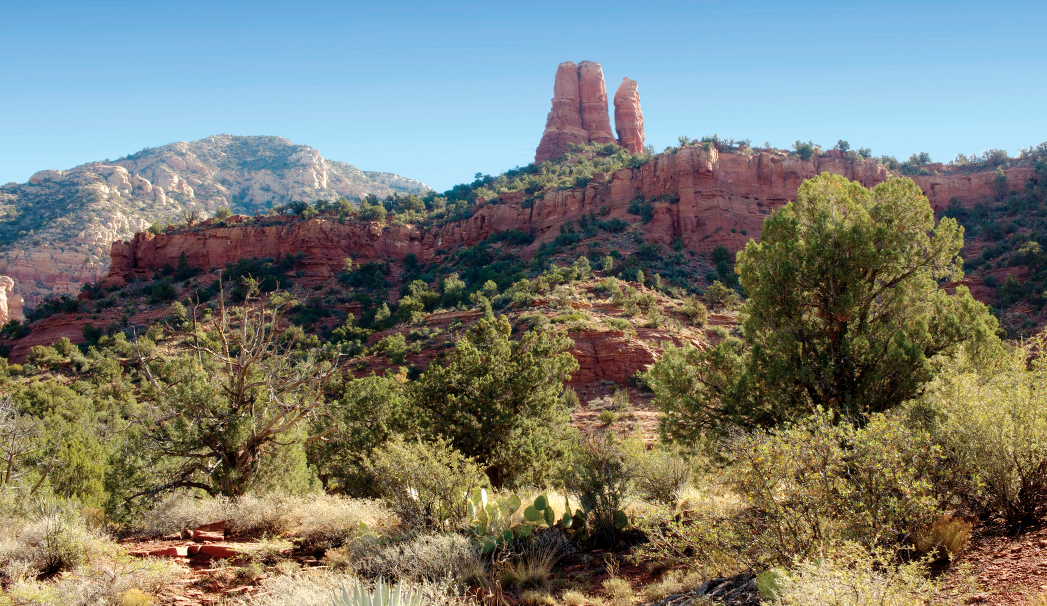
Chimney Rock Pass Trail
Read More -
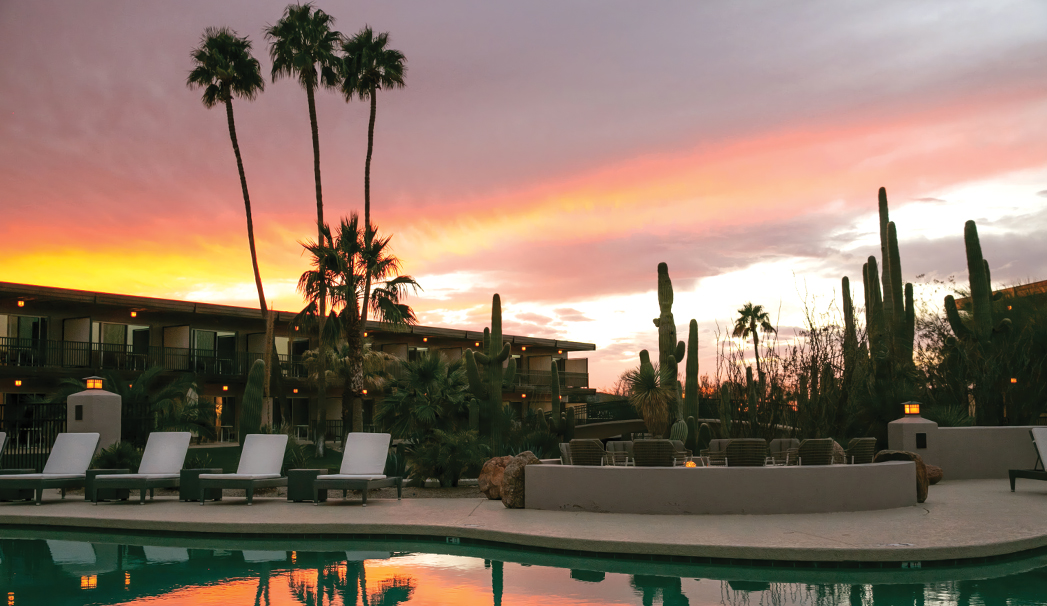
Let’s Go: Finding Rest, Relaxation & Community at Civana
Read More -

Meet These Four Movers And Shakers
Read More -

Keepers of the Wild
Read More -
Nature’s Power
Read More -
Open Portfolio: Joe Bechard
Read More -
Dining With Wildlife
Read More -
Buffalo Park
Read More -
The Taawaki Inn Art Gallery
Read More -
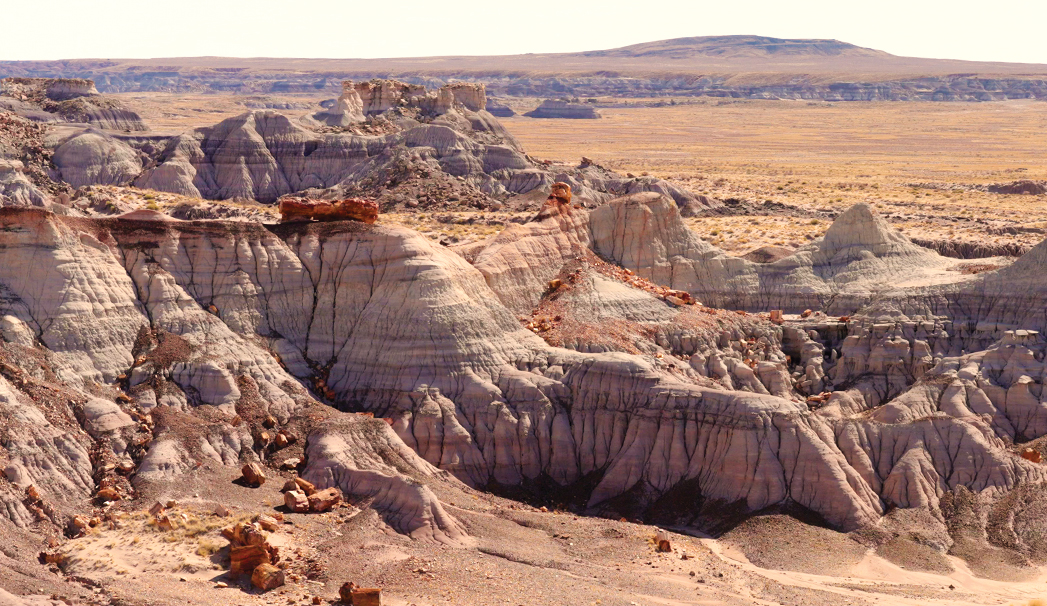
History Matters
Read More -
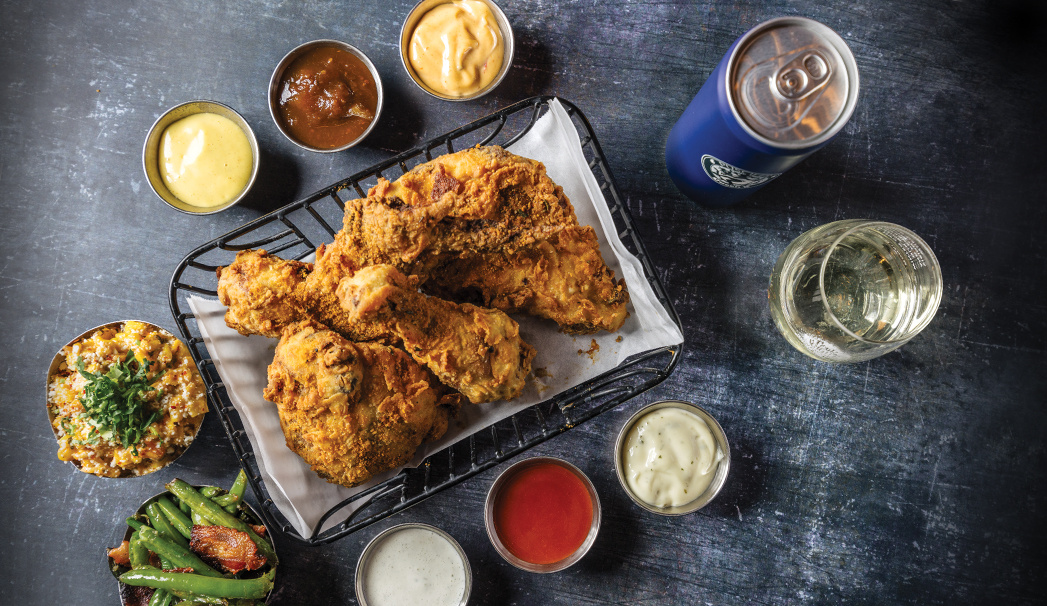
Best Bites
Read More -
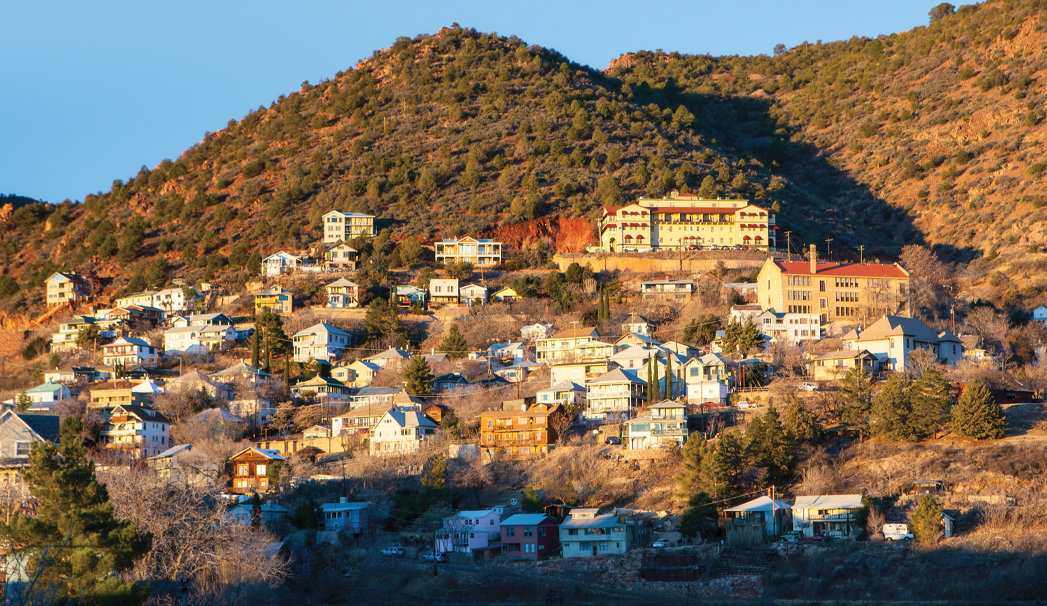
Jerome Guide
Read More -
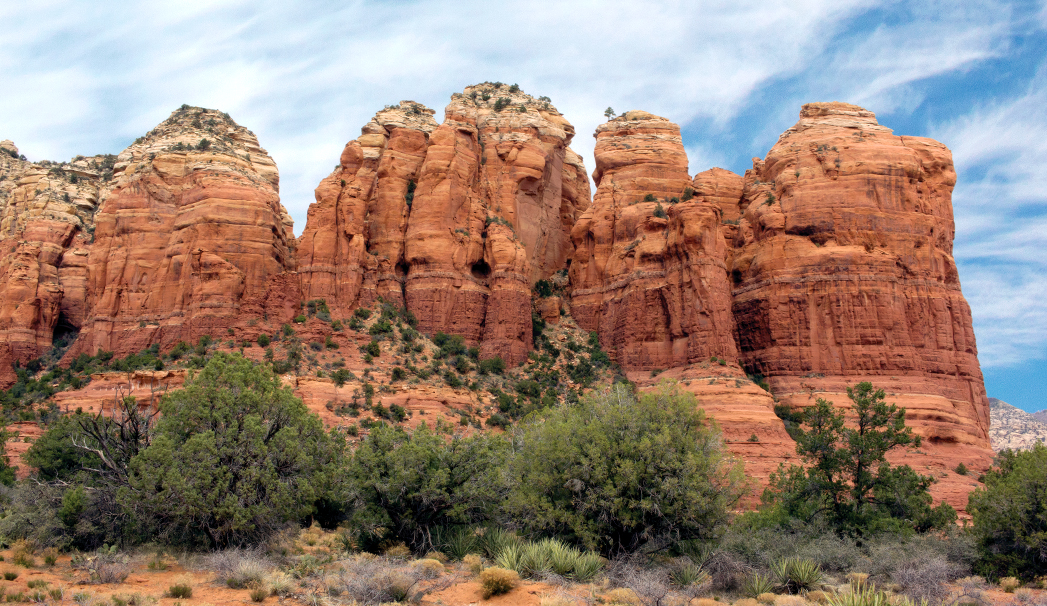
Teacup Trail
Read More -
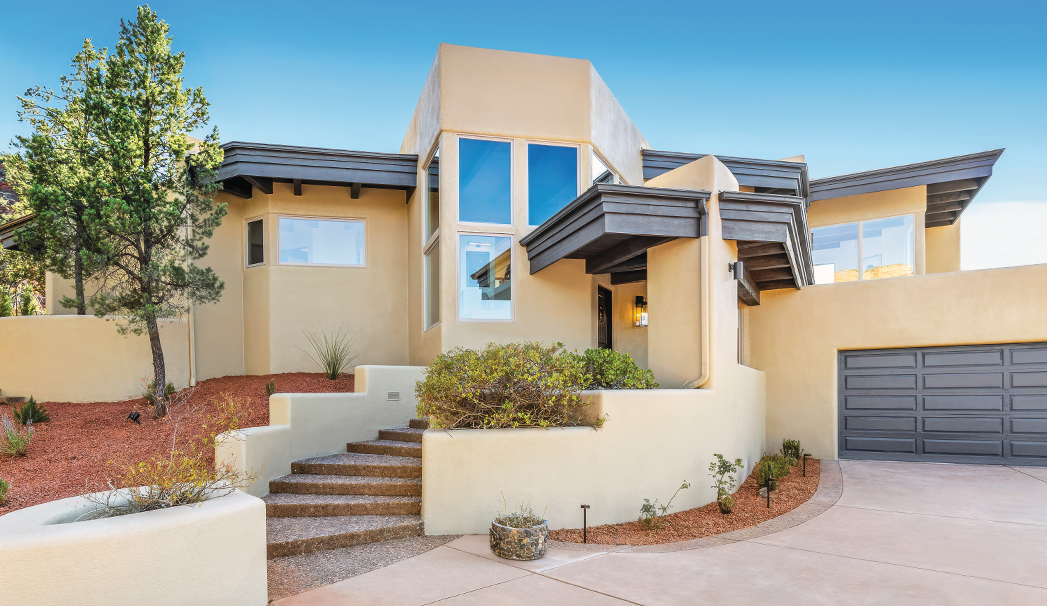
A Revitalizing Renovation
Read More -
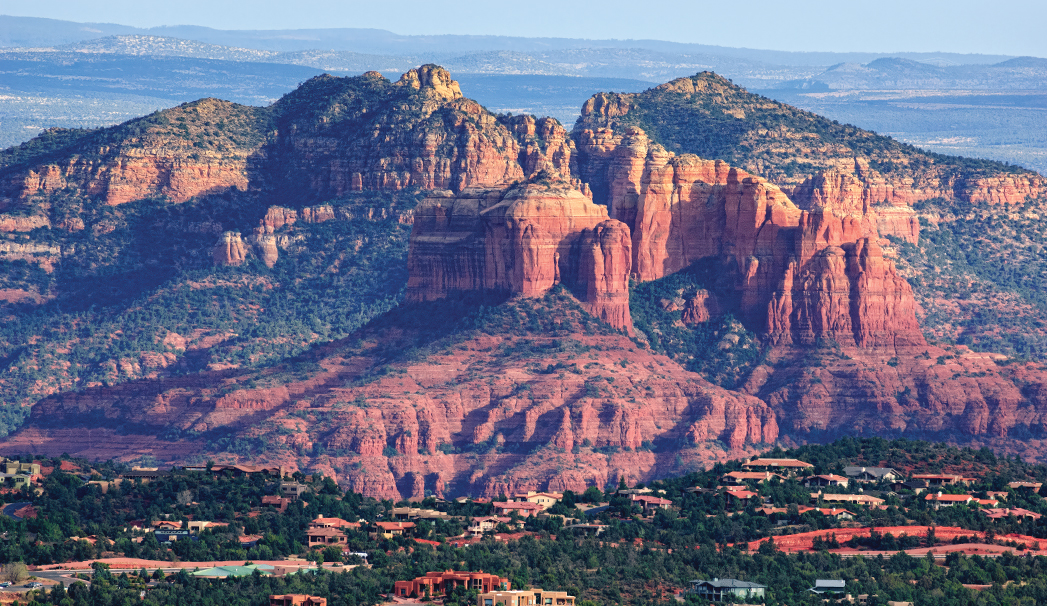
Property Powerhouses
Read More -

Long Canyon Trail
Read More -

Meet These Community Leaders
Read More -

Costa Modern Latin Cuisine
Read More -

Entertainment In and Around Sedona
Read More
LATEST STORIES
Walnut Canyon National Monument
Flagstaff’s Walnut Canyon National Monument has long been one of our favorite places to visit during the hot summer months. For starters, there’s ample shade here. The paved walking paths are also relatively easy to navigate…
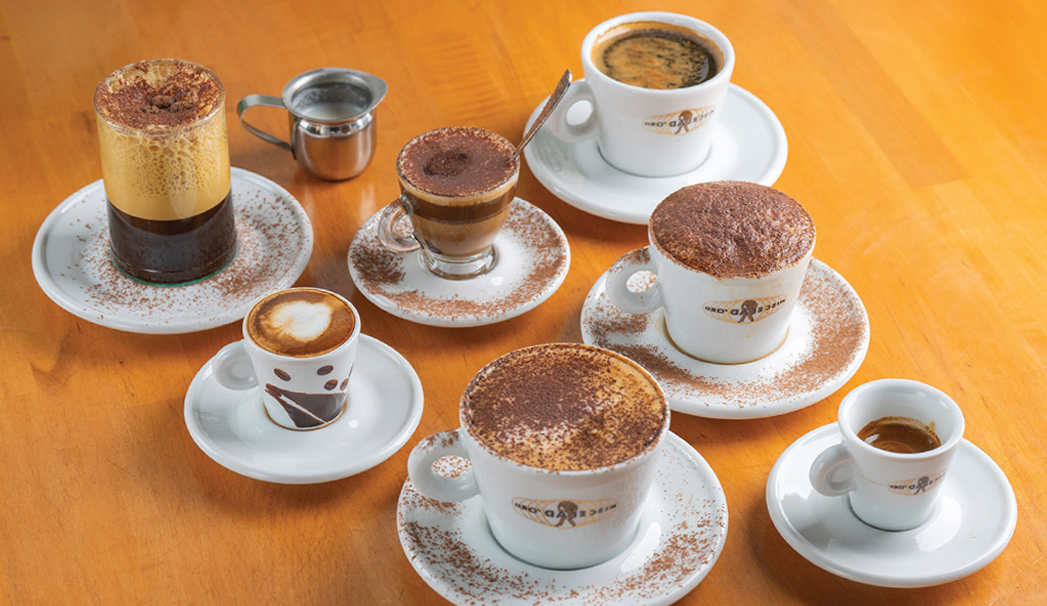
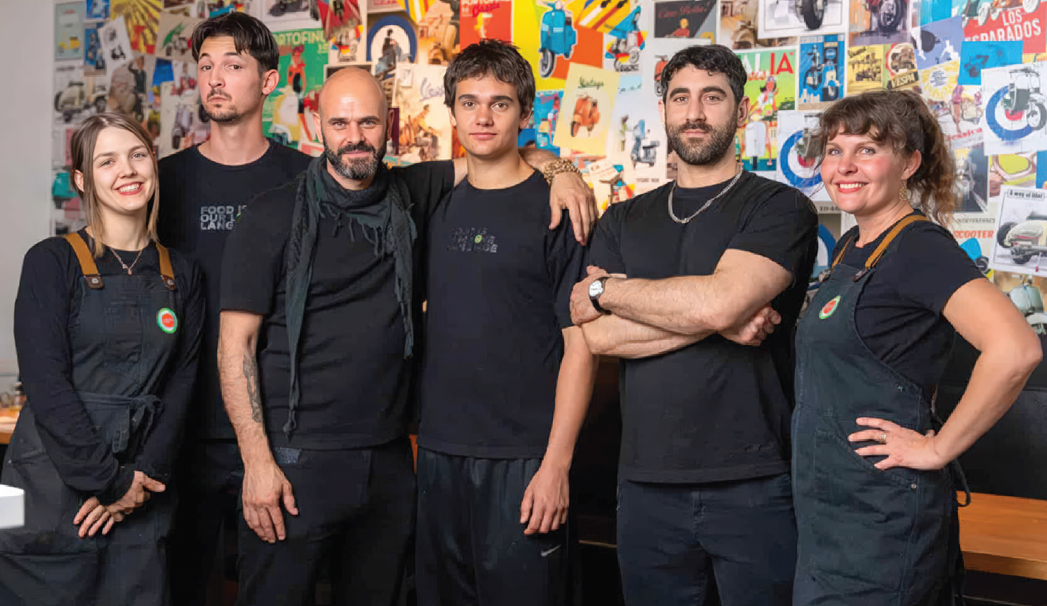
Vespa Healthy Italian Café
Stepping into Vespa Healthy Italian Café, guests quickly discover that coffee is treated with the same reverence as food. In Italy, an espresso is not simply consumed—it is experienced. A twenty-second ritual traditionally enjoyed al bancone…
Arts Fest
The Hopi Arts & Cultural Festival will return to Flagstaff on Aug. 29 and 30 at the Flagstaff Mall. See plenty of arts and crafts made by Hopi artists, along with traditional Hopi dances and even…